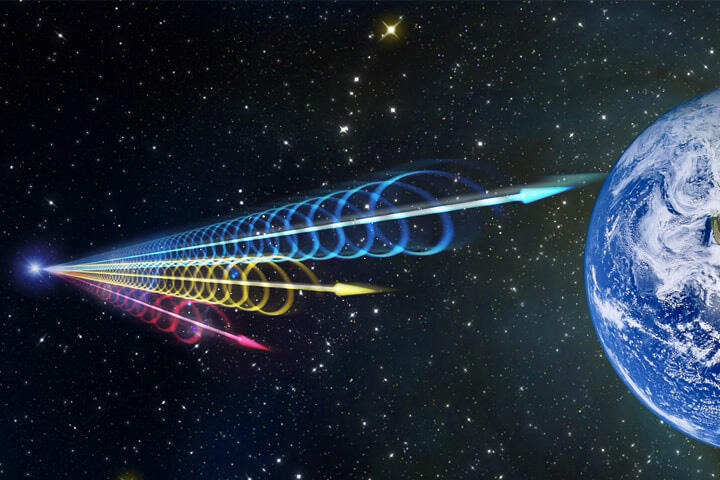
Astronomers Closer to Unlocking Origin of Mysterious Fast Radio Bursts
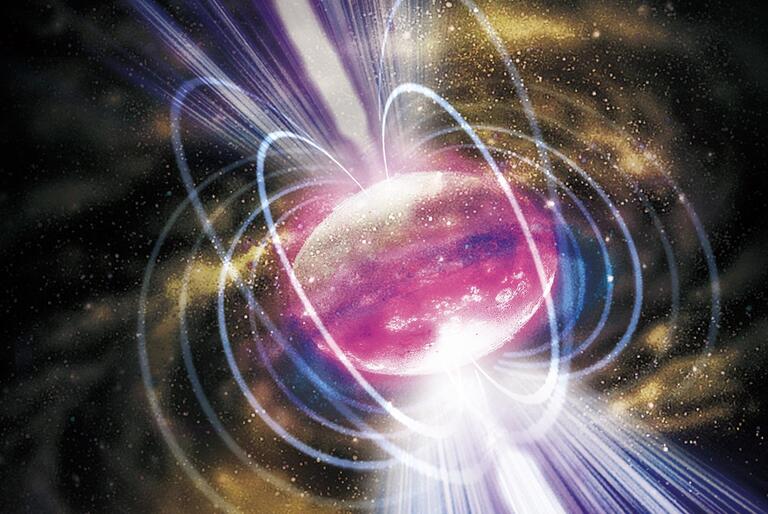
New study by international team of scientists identifies polarization as key trait that may reveal the origin of the powerful millisecond-long cosmic radio explosions.
UNLV researchers made international headlines this year with their discoveries. Here's a roundup of some of our top stories of 2021.
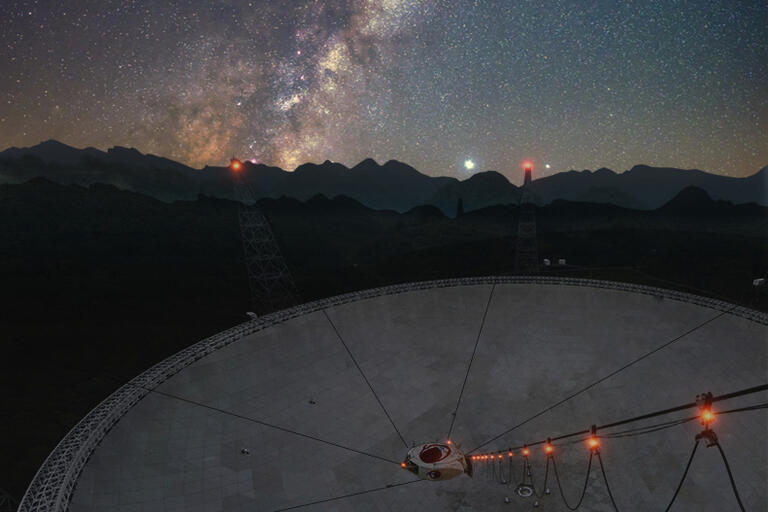
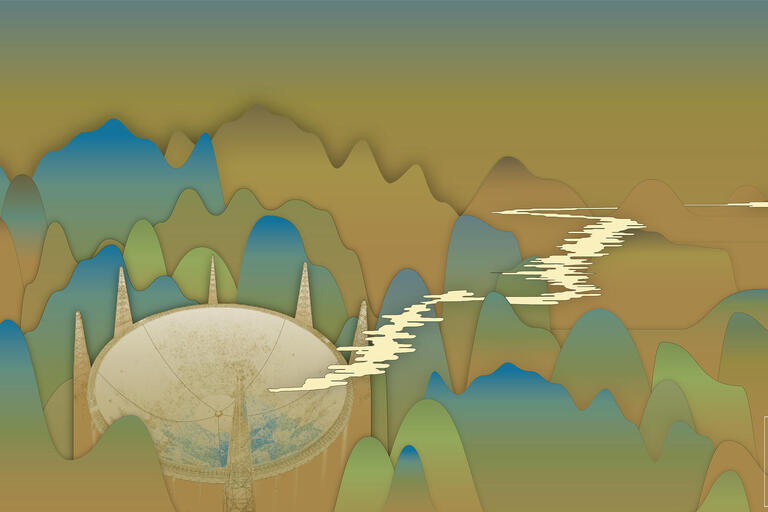
A flurry of more than 1,650 FRBs detected by FAST telescope over 47 days in 2019 unlocks clues to the nature and location of the powerful millisecond-long cosmic radio explosions.
A yearlong collection of UNLV faculty making the news for their discoveries and contributions to the community.
UNLV astrophysicist Bing Zhang contributes to understanding the physical mechanisms of fast radio bursts in three papers published in Nature.
Two dense, city-sized stars collided in a galaxy far, far away; the resulting X-rays give UNLV’s Bing Zhang and international team of astronomers a new way to spot when it happens and a rare glimpse into how neutron stars form.
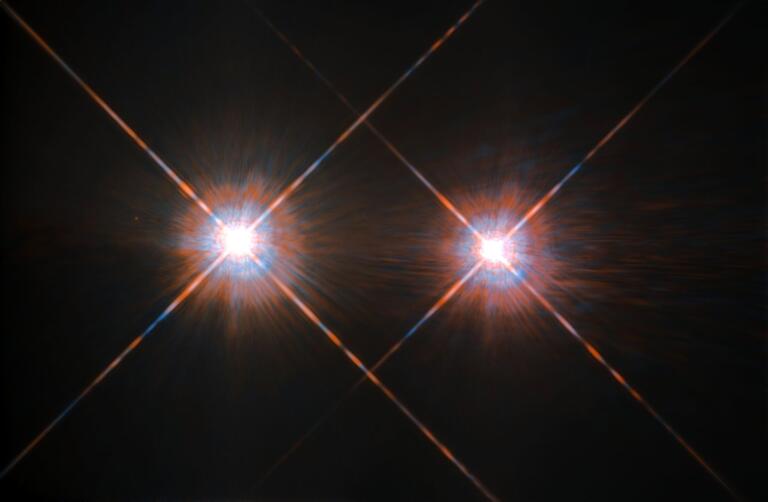
To go further and faster than anything before, the Breakthrough Starshot mission will rely on unproven technology.
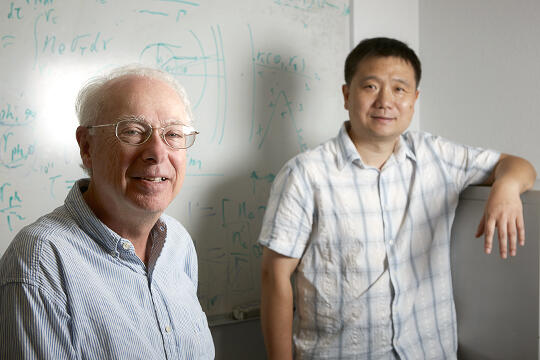
Local retiree audits class and is so impressed by stellar professor that he donates money for lecture series.