
Women's Research Institute of Nevada News
Current Women's Research Institute of Nevada News

UNLV-led study is the first to examine attitudes of men toward the social media housewife trend that calls for return to traditional gender roles.

A selection of top news headlines featuring UNLV faculty and students.

Five women share their stories on the former president's influence on UNLV and the empowerment of women at UNLV.
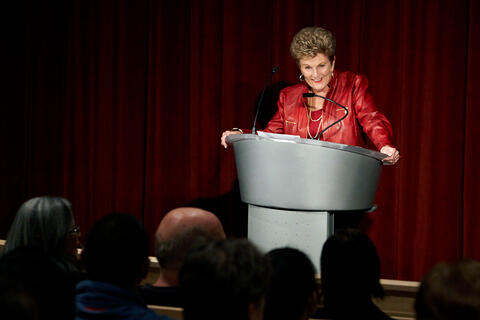
President Emerita Carol C. Harter broke down barriers while building up UNLV's status as a research institution.

For Emily Powers, some of her most important experiences at UNLV happened outside of the classroom — through the Honors College.

The history-making program manager helps shape college women leaders and advocates for human rights.
Women's Research Institute of Nevada In The News
Mate-value refers to a person’s overall desirability as a romantic partner. According to the researchers, as women have gained economic independence and surpassed men in college attendance, women are less reliant on men for financial security. Men who lack a college degree now face steeper competition in both the job market and the dating pool. This perceived loss of status and romantic insecurity, the authors suggest, generates resentment toward feminism and women’s equality.

Gloria Steinem, a leading figure in the fight for women’s equality in the United States, has died at the age of 92. Rachael Robnett, director of the Women’s Research Institute of Nevada at UNLV, discussed Steinem’s legacy.
As evidenced by the popularity of "Yesteryear," a subculture of "traditional wives" is making big waves in the culture wars.
Inside the "tradwife" phenomenon: social media, cinema, and books: but what's behind it?

A cottage industry of women are selling courses aligned with a conservative movement that claims feminism is the source of women’s discontent
For the first time, a study has examined the "Tradwife" trend. Instead of the expected "benevolent paternalism," the study leaders encountered enormous devaluation of women.