Department of Computer Science News
The Department of Computer Science is nationally and internationally recognized for research in theoretical and experimental computer science. We are especially known in areas such as real-time algorithms, information retrieval, document analysis, parallel computing, language design, software engineering, computer science education, graphics, computational geometry, networking, information customization, cybermedia, and internet security.
Current Computer Science News

The Honors College Alumnus of the Year says UNLV gave him the confidence to tackle complex problems, a skill he now puts to work as a software engineer at Google.
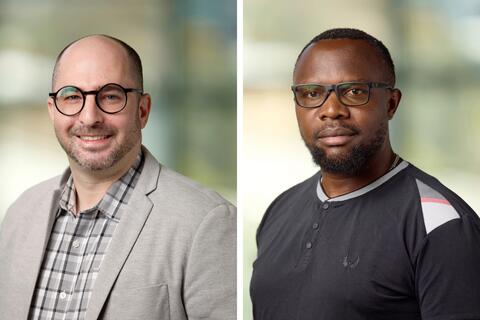
UNLV College of Engineering professors Chuck Tessler and John Businge each received highly coveted CAREER awards from the National Science Foundation to bolster their research programs.
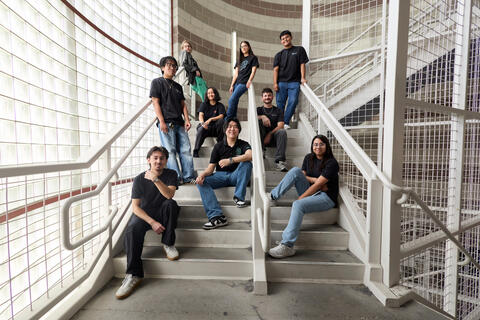
With both theoretical knowledge and hands-on experience, UNLV students win national cybersecurity competition.
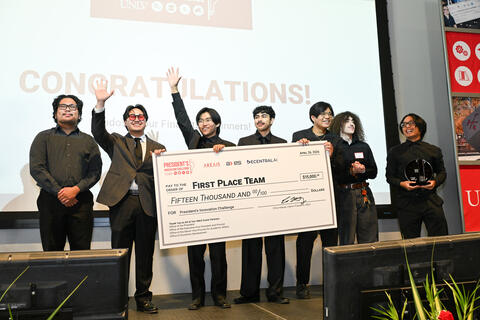
How a stubborn bird dropping on a campus building helped spark the winning students’ idea for a high-rise window-cleaning drone.

UNLV’s commencement tradition highlights exceptional students who embody the highest level of academic excellence and community involvement.

The institute prepares a stronger cybersecurity workforce and supports local industry needs by expanding hands-on training and interdisciplinary learning.
Computer Science In The News

A website allowing drivers to check whether their license plate was searched through Flock Safety’s system is going viral, renewing questions about privacy and the growing amount of data collected throughout everyday life.

Saraah Majid went above and beyond her scholarship requirements to help Opportunity Village's mission to empower, employ, and serve people with disabilities
As demand for data centers continues to grow across the country, Clark County commissioners are preparing to discuss whether Southern Nevada should adopt new standards for future developments before more projects are proposed.

As he walked outside the Thomas & Mack Center after Saturday morning’s UNLV spring commencement ceremony, new graduate Miguel Cerda said he felt pride and a sense of relief.

UNLV says recent data shows the state is filling only about 71% of its open cybersecurity jobs, slightly behind the national average. Through this institute, students get hands-on learning experience combing through vulnerabilities businesses could have when it comes to their cybersecurity.
UNLV says recent data shows the state is filling only about 71% of its open cybersecurity jobs, slightly behind the national average. Through this institute, students get hands-on learning experience combing through vulnerabilities businesses could have when it comes to their cybersecurity.