
Classes are back in session, and campus is buzzing — and occasionally scurrying.
To get better acquainted with our campus critters, we talked with Jef Jaeger, professor-in-residence in the School of Life Sciences, whose research includes conservation biology, ecology, population biology, and phylogeography.
He notes that UNLV is surrounded by plenty of wildlife from the Flamingo and Tropicana Washes and has historically had plenty of animal visitors, including coyotes, toads, and Cooper’s hawks. As the landscape and connections between the washes and UNLV have changed, so too has the mix of wildlife found on campus.
There’s a good reason for some species to stick around. UNLV's 335-acre Maryland Parkway campus is a designated arboretum, or a living museum of trees, and home to 10 of the largest trees of their kind in Nevada. The mature trees and green canopies provide habitats that attracts a variety of birds — enough to give campus bird-watchers plenty to look for.
House Finch
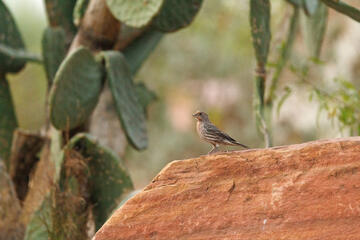
House finches are native to the region and can be spotted (and heard) year-round. These small birds are famously resourceful and build nests wherever they can, including cacti, rock ledges, and even front door wreaths. The male house finch's diet decides his look, turning his head and chest anywhere from bright red to yellow or orange.
Great-tailed Grackle
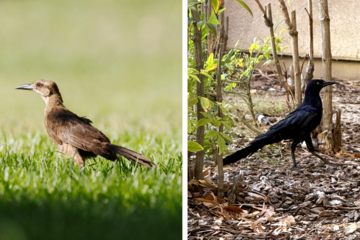
Great-tailed grackles are large songbirds that have made themselves right at home in Las Vegas. Females are brown, while males sport glossy, iridescent black feathers, bright yellow eyes, and their namesake oversized tails. In flight, you may notice them holding their tails like the keel on a boat. While these birds can be seen all across town, you’ll often find them during mating season at the top of UNLV’s parking garages.
Western Whiptail Lizard
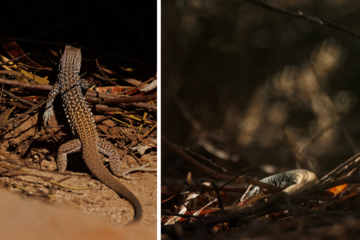
These lizards are common in the southwestern United States and northern Mexico. They thrive in hot, dry climates and especially seem to enjoy the Donald H. Baepler Xeric Garden. And, despite what this photo might suggest, whiptails use their jaws — not their tongues — to capture prey.
Paper Wasp
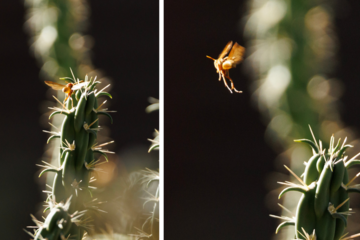
Rest assured, paper wasps, unlike yellow jackets and hornets, are non-aggressive and will generally only attack if their nest is threatened. One way to identify them is by the long legs that dangle beneath them in flight. These beneficial predators and pollinators frequently dip into the blooms of desert plants, such as cacti and agaves, in search of nectar and water.
Verdin
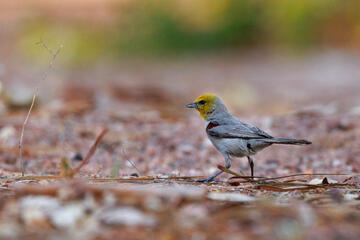
UNLV has some exciting building projects underway, but the verdin might be campus’s most prolific construction worker. These scrappy birds sometimes build up to 11 nests in a year. Known for yellow head and sharp calls, they can also be found around the Donald H. Baepler Xeric Garden.
Desert Cottontail
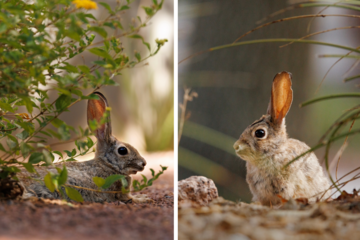
As students bound to their classes, these bunnies bound across grassy areas. Desert cottontails are widespread throughout the state and are a common sight on campus. These rabbits are well suited for desert life: Their light-colored fur helps reflect solar heat, while their large ears help release body heat. They generally conserve their energy, but when it’s time to make a getaway, they can reach speeds of about 20 mph.
Rock Pigeon
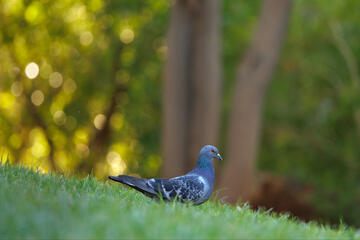
One of campus’s most familiar birds, the pigeon is particularly well suited to city life. Descendents of cliff-dwelling birds, they’ve traded natural cliffs for tall buildings and ledges. They’re remarkable navigators, an ability humans have put to work by training them to carry messages over long distances.
Desert Harvester Ant
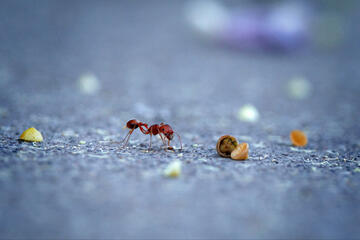
Think you’ve got a heavy load this semester? These ants can carry up to 50 times their body weight! This ant is foraging for seeds to bring back to its nest. Their sting can be painful, but they generally stick to the outdoors. You can find their nests in open areas near lawns and vegetation.
Mourning Dove
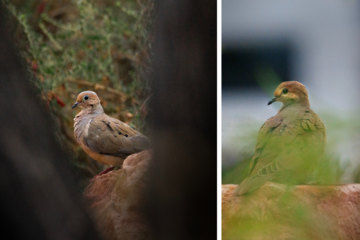
These birds are a common sight around North America, famous for their low, cooing calls. Like the desert harvester ant, you can find them foraging for seeds around campus. These graceful birds frequently form long-term pair bonds, and, like other doves, are associated with symbols of peace and love.


