In The News: Kirk Kerkorian School of Medicine at UNLV

UNLV's Kirk Kerkorian School of Medicine graduates 54 doctors during a ceremony at the Thomas & Mack Center Friday, May 8, 2026.
Delayed and imprecise Alzheimer’s diagnoses in the UK are limiting patient access to clinical trials despite rapid growth in experimental treatments.


While no cases have been reported in Nevada, researchers at the University of Nevada, Las Vegas, who conduct local wastewater surveillance and have monitored COVID-19 variants, say hantavirus is not currently included in their testing panel. However, they note that detection may be possible since the virus is shed through urine. Researchers say it is something they will continue to monitor as they consider targeted applications.

After four years of medical school, the new doctors will soon begin seeing patients during their residency training. Some of them will be staying in Las Vegas as they begin their careers. The graduates reflected on the demanding process to get to graduation day.
The Food and Drug Administration on Tuesday announced its first authorization of fruit-flavored electronic cigarettes intended for adult smokers, a major policy shift that comes after months of appeals to President Donald Trump from the vaping industry. The decision is being opposed by health groups and parent organizations that have long pointed to flavors as the driver behind underage vaping in the U.S. But the federal action comes as teen vaping rates have dropped to a 10-year low and manufacturers have pushed the Republican administration to loosen restrictions on their products.
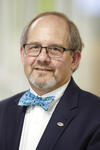

The number of national clinical trials for Alzheimer’s therapies has increased by 40 percent in the last decade. That’s according to UNLV brain health researcher Jeffrey Cummings’ 10th annual report, published Tuesday in the Alzheimer’s Association’s research journal.

Dr Jeffrey Cummings, of the University of Nevada, Las Vegas, has published an annual review of clinical trials for Alzheimer’s drugs for the past decade. The latest review, published in Alzheimer’s & Dementia: Translational Research & Clinical Interventions, reveals a shifting approach to the disease, with fewer drugs designed to remove amyloid and more targeting tau, inflammation and other immune system pathways.
Every year, world‑leading dementia researcher Dr Jeffrey Cummings releases a global snapshot of Alzheimer’s trials – and the 2026 update has just been published. Right now, researchers are evaluating 158 medicines across 192 trials – marking an impressive 40% rise over the past decade. This year’s review also shows the most diverse Alzheimer’s drug pipeline to date.
The global effort to find a cure for Alzheimer’s disease has seen a 35% increase in the number of clinical trials and a 40% increase in therapies being tested since 2016, according to a new report from a UNLV researcher.
In 2019, researchers at UNLV, the University of San Diego and Amsterdam University reported that about 99% of Alzheimer’s clinical trials had failed. After decades of setbacks, however, newer treatments are beginning to show success in clinical trials and are now moving through regulatory review. Scientists say these incremental advances could start to shift the trajectory of the disease, even as the number of people diagnosed continues to grow.
Las Vegas medical school study shows 35% increase in clinical trials since 2016.
Axsome Therapeutics’ Auvelity expanded its label to include treating agitation in Alzheimer’s disease patients. It’s just the second FDA-approved drug for this indication, and Axsome’s pill has a safety advantage.