Dr. Jeffrey L. Cummings

Biography
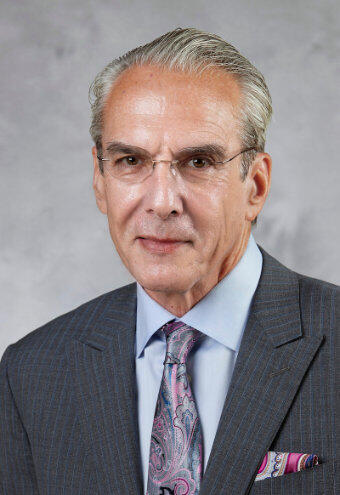
UNLV research professor Jeffrey L. Cummings is a neurologist globally recognized for his contributions to Alzheimer's research, drug development, and clinical trials. He serves as the Joy Chambers-Grundy professor of brain science and director of the Chambers-Grundy Center for Transformative Neuroscience at the Kirk Kerkorian School of Medicine's Department of Brain Health.
Dr. Cummings leads the UNLV Clinical Trials Observatory, the world’s only research observatory devoted exclusively to analyzing the pipeline of Alzheimer's drugs in clinical trials to better inform drug development decisions. He also heads a biomarker observatory, which captures and categorizes emerging information on blood tests, brain scans, and digital devices related to Alzheimer's disease.
Prior to joining UNLV in 2019, Dr. Cummings served as founding director of the Cleveland Clinic Lou Ruvo Center for Brain Health in Las Vegas, as well as two UCLA entities — the Mary S. Easton Center for Alzheimer’s Disease Research, and the Deane F. Johnson Center for Neurotherapeutics.
Named a “Rock Star of Science” by Gentleman’s Quarterly, Dr. Cummings — a fellow of the American Academy for the Advancement of Science — has published 43 books and more than 900 peer-reviewed articles on neuropsychiatry, Alzheimer’s disease, and clinical trials.
His numerous recognitions for his scientific and leadership contributions include the American Association of Geriatric Psychiatry’s Distinguished Scientist Award, Melvin R. Goodes Prize for Excellence in Drug Development from the Alzheimer's Drug Discovery Foundation, Society for Behavioral and Cognitive Neurology’s Lifetime Achievement Award, and the national Alzheimer’s Association’s Bengt Winblad Lifetime Achievement Award. In 2024, he was ranked by ScholarGPS as the world's top scholar for his lifetime contributions in the areas of dementia and drug development.
Education
- Sc.D., Science, University of Wyoming
- Neurology fellowship, Boston University School of Medicine
- Neuropathology/Neuropsychiatry fellowship, National Hospital for Nervous Diseases, London
- M.D., Medicine, University of Washington
- B.S., Zoology/Philosophy, University of Wyoming
Related Links
Dr. Jeffrey L. Cummings In The News

Articles Featuring Dr. Jeffrey L. Cummings

UNLV Newsmakers 2026: May
A collection of top headlines featuring UNLV faculty and students.

Alzheimer’s Drug Development Pipeline Shows Impressive Growth and Diversity of Therapies
Tenth annual report led by noted clinician-scientist Dr. Jeffrey Cummings tracks status, trends associated with 192 active clinical trials worldwide.

UNLV Newsmakers 2026: February
Some of the hottest headlines featuring UNLV faculty, staff, and students.

Research Resonates for Residents
The medical school is dedicated to expanding its research curriculum, shaping the future of graduate medical education (GME).