Rochelle Hines
Biography
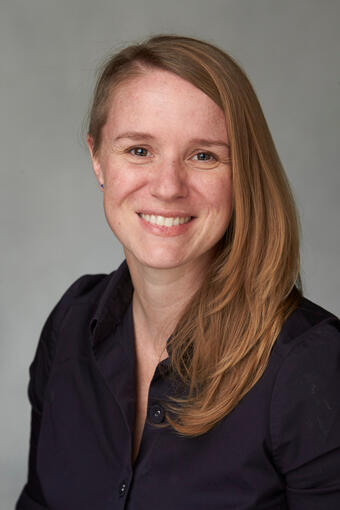
Rochelle Hines is an assistant professor of neuroscience in UNLV's psychology department. Her research focuses on improving understanding of neurodevelopmental disorders and promoting novel therapeutic strategies.
For example, Hines' research has examined normal and abnormal brain function in conditions such as autism spectrum disorders, schizophrenia, and developmental epilepsies. She is particularly interested in understanding how various processes during brain development impact signaling and circuitry between cells, as well as behavior. She is a co-director of the Hines Group Comprehensive Neuroscience Lab, which recently delved into the possible medical benefits of psychedelics and other psychoactive compounds.
In addition to research and teaching, Hines mentors and oversees research by high school, undergraduate, graduate, and postdoctoral students. In 2021, her lab received funding from the National Institutes of Health for an initiative to improve collaborative biomedical research efforts in the American West, as well as from the National Institutes of Neurological Disorders and Stroke to further research in that field.
Education
- CIHR Postdoctoral Fellowship, Tufts University School of Medicine
- Ph.D., Neuroscience, University of British Columbia
Rochelle Hines In The News



Articles Featuring Rochelle Hines
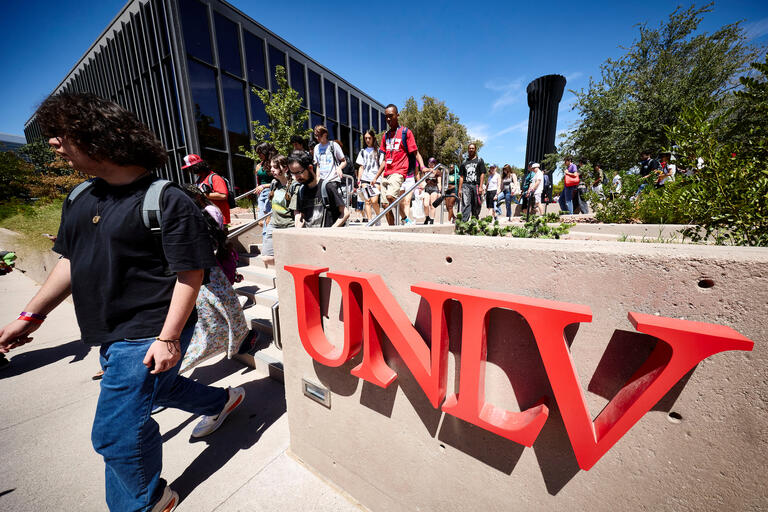
UNLV Newsmakers 2026: Summer Edition
A selection of prominent headlines featuring UNLV experts from July and August.

UNLV Newsmakers 2025: November and December
A collection of the top news headlines featuring UNLV faculty and students.

UNLV Newsmakers 2025: October
Some of the biggest news headlines featuring UNLV faculty and students.
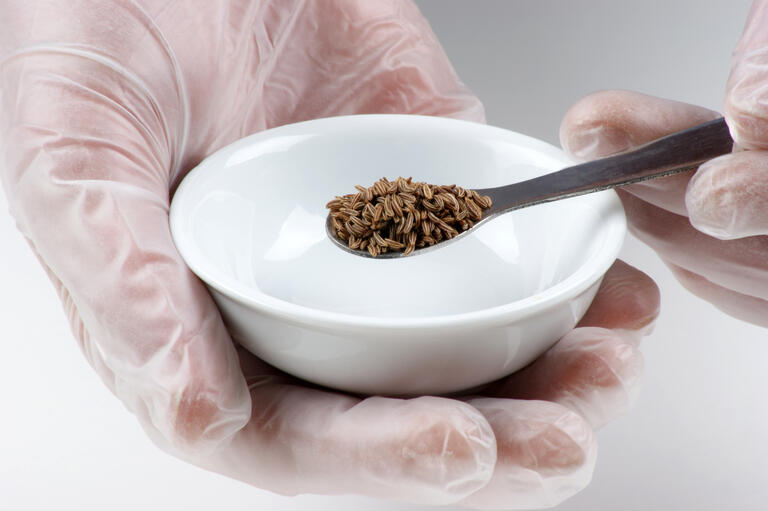
From Caraway to Cure: Engineering CBD-like Seizure Treatments Without Cannabis
Student-led UNLV research team works molecular magic to transform a common kitchen spice into affordable, effective epilepsy therapies.