Dr. Jeffrey Ebersole
Biography
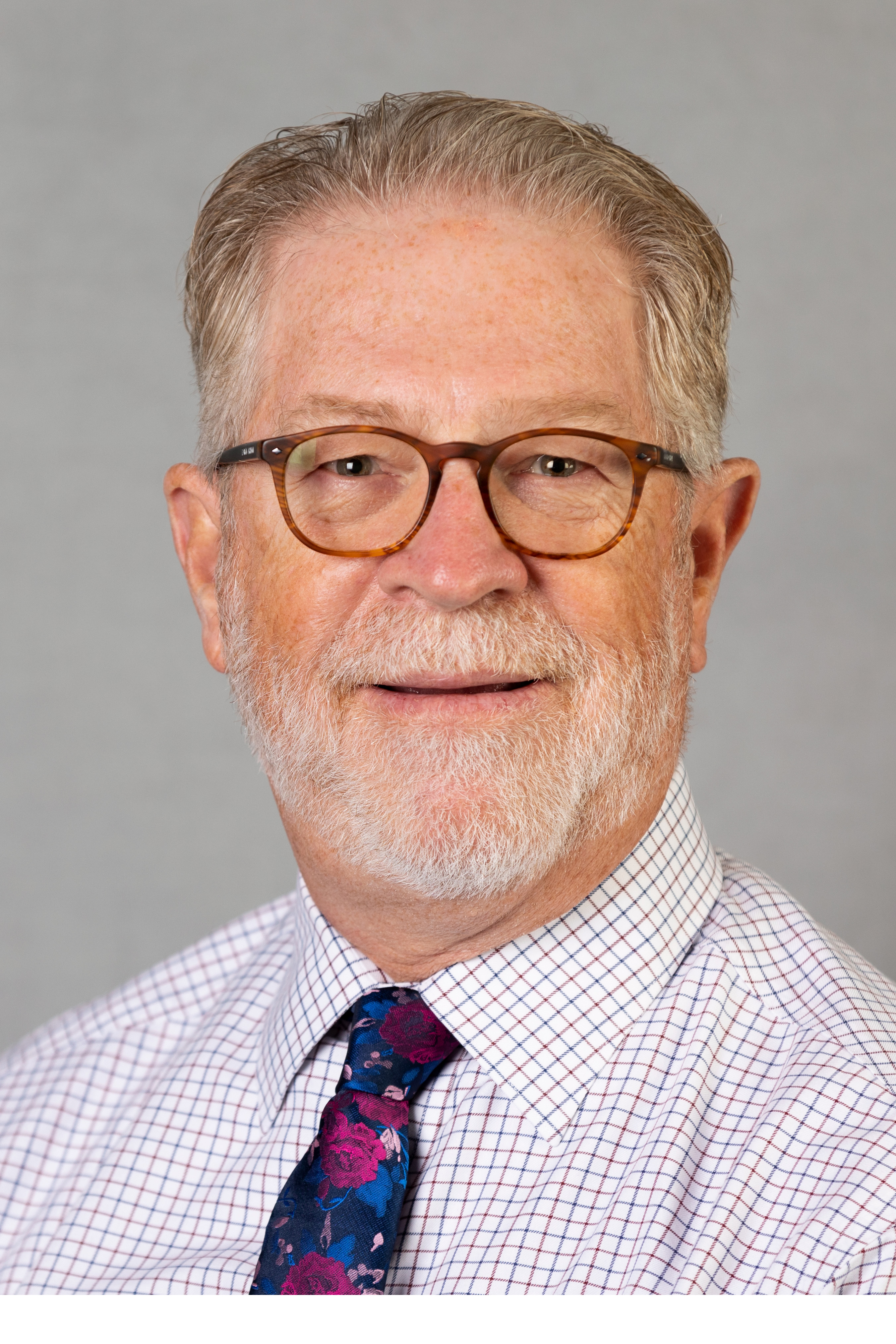
Dr. Jeffrey Ebersole is an accomplished researcher who leads multiple studies focused on the immunobiology of oral infections, emphasizing in-vitro and in-vivo studies of host-pathogen interactions using animal and human models of oral disease(s).
A professor of biomedical sciences and associate dean for research with UNLV's School of Dental Medicine, Dr. Ebersole also teaches microbiology and immunology to predoctoral students.
He has published more than 300 publications, reviews, and book chapters about the microbiology and immunology of oral diseases, and directed a major Center of Biomedical Research Excellence grant from the National Institute of Health for 13 years.
Prior to joining UNLV, Dr. Ebersole was the Alvin L. Morris Professor of Oral Health Research, director of the Center for Oral Health Research, and associate dean for research in the College of Dentistry at the Univeristy of Kentucky.
Education
- Ph.D. in Microbiology, University of Pittsburgh
- B.S. in Biology, Temple University
- Post-Doctoral Fellowship in Immunology, The Forsyth Institute
Related Links
Dr. Jeffrey Ebersole In The News


Articles Featuring Dr. Jeffrey Ebersole
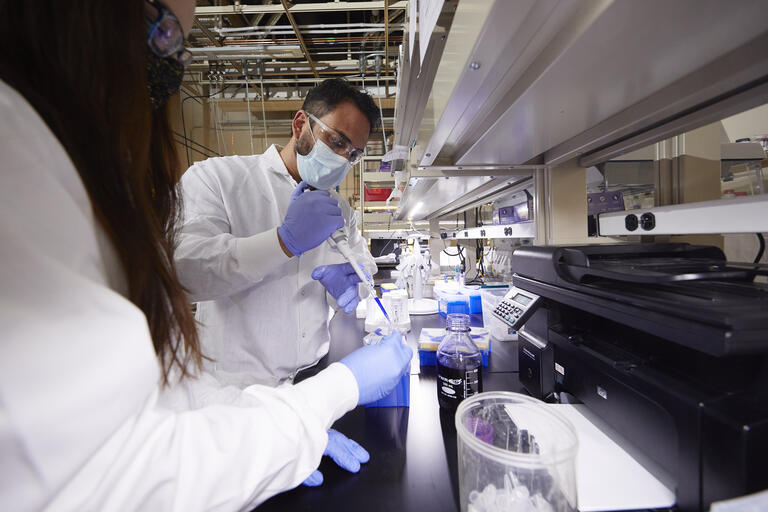
UNLV Newsmakers 2021: Research
UNLV researchers made international headlines this year with their discoveries. Here's a roundup of some of our top stories of 2021.
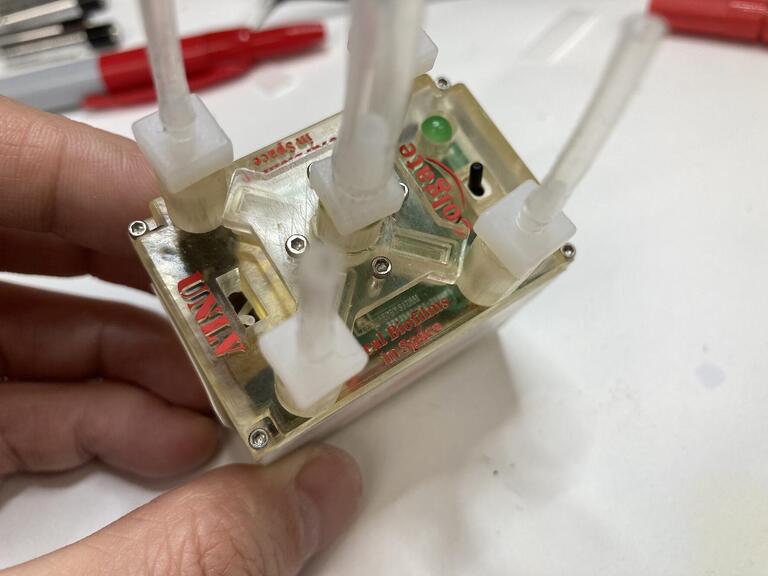
UNLV Engineering and Dental Researchers Partner with NASA, Colgate on June 3 Space Launch
First-of-its-kind device developed by UNLV for International Space Station experiment will test microgravity and Earth differences in growth and treatment of oral bacteria.
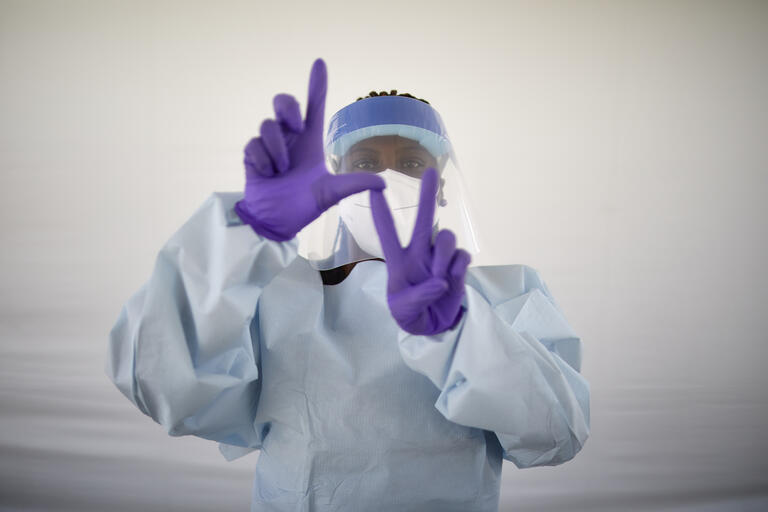
UNLV Newsmakers 2020: Combatting COVID-19
As the pandemic tightened its grip on Nevada, the nation, and the world, UNLV responded in ways big and small. Members of the media also turned to UNLV's faculty experts for answers.
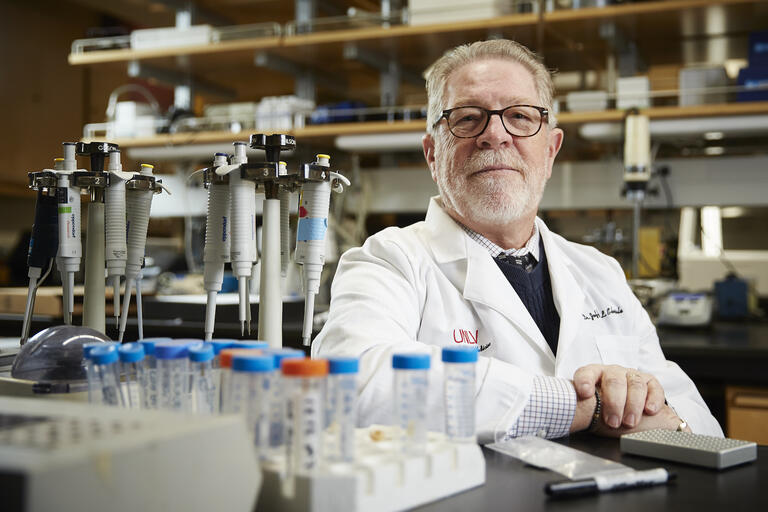
UNLV Immunologist on the Differences Between Two Leading COVID-19 Vaccine Candidates
Dr. Jeffrey Ebersole, professor of biomedical sciences at UNLV School of Dental Medicine, explains how leading vaccine candidates differ at the cellular level and what it could mean for their effectiveness.