UNLV Sloan Scholars Program
About the Sloan Scholars Program
The Sloan Scholar experience is designed to provide the funding, mentorship, community, and professional support scholars need to thrive throughout their journey as doctoral students and beyond.
Supported by the Alfred P. Sloan Foundation, as part of the Sloan Center for Systemic Change initiative, this program is designed around a simple idea: doctoral student success should not depend on navigating graduate school alone. At UNLV, Sloan Scholars enter a community intentionally designed to support their development as researchers, professionals, mentors, and future leaders.
The Sloan Scholar Experience
Competitive Multi-Year Financial Support
- Sloan Scholars receive four years of funding to support their graduate education, including a graduate assistant (GA) position and an additional stipend of $10,000 per year. This additional financial support acts to reduce financial strain and allows scholars to maintain sustained engagement in their research and doctoral training.
Comprehensive Onboarding to Support the Transition to Graduate Education
- Priority access to the Building Resilient & Inclusive Discoveries to Graduate Education (BRIDGE) program.
- Cohort-based mentoring opportunities through the Graduate Mentoring Excellence, Nurturing Talents, Opportunities, and Resources for Success (MENTORS) program.
- Regular Sloan Scholars Exchange meetings, where scholars gather to share lunch, build connections, exchange ideas, and collectively navigate the challenges and triumphs of graduate education.
Become a Sloan Scholar
Sloan Scholars join a community designed to support the whole doctoral journey, from entering the Ph.D. through research, degree completion, and career launch. The Sloan Scholar experience includes:
- Competitive multi-year funding packages
- A cohort that becomes your community
- More than one mentor to meet the varied needs of students
- Faculty advisers trained to comprehensively mentor their students
- Professional development built into the Ph.D.
- Support from day one to career launch
You must be admitted to a Ph.D. program at UNLV to be considered for a Sloan Scholar package. Once you are admitted to a STEM program, you are eligible to apply to become a Sloan Scholar and the department will let you know if you have been nominated for the selection process.
Sloan Scholars are selected from participating UNLV STEM Ph.D. programs.
- Life Sciences
- Chemistry and Biochemistry
- Geoscience
- Mathematical Sciences
- Physics and Astronomy
- Computer Science
- Civil and Environmental Engineering and Construction
- Electrical and Computer Engineering
- Mechanical Engineering
“Graduate education should do more than open doors. It should give talented scholars the support, funding, mentorship, and community to imagine what comes next and the tools to build it. That is exactly what we are building with the UNLV Sloan Scholars Program.”Alyssa Crittenden, Ph.D., Vice Provost for Graduate Education, Dean of the Graduate College
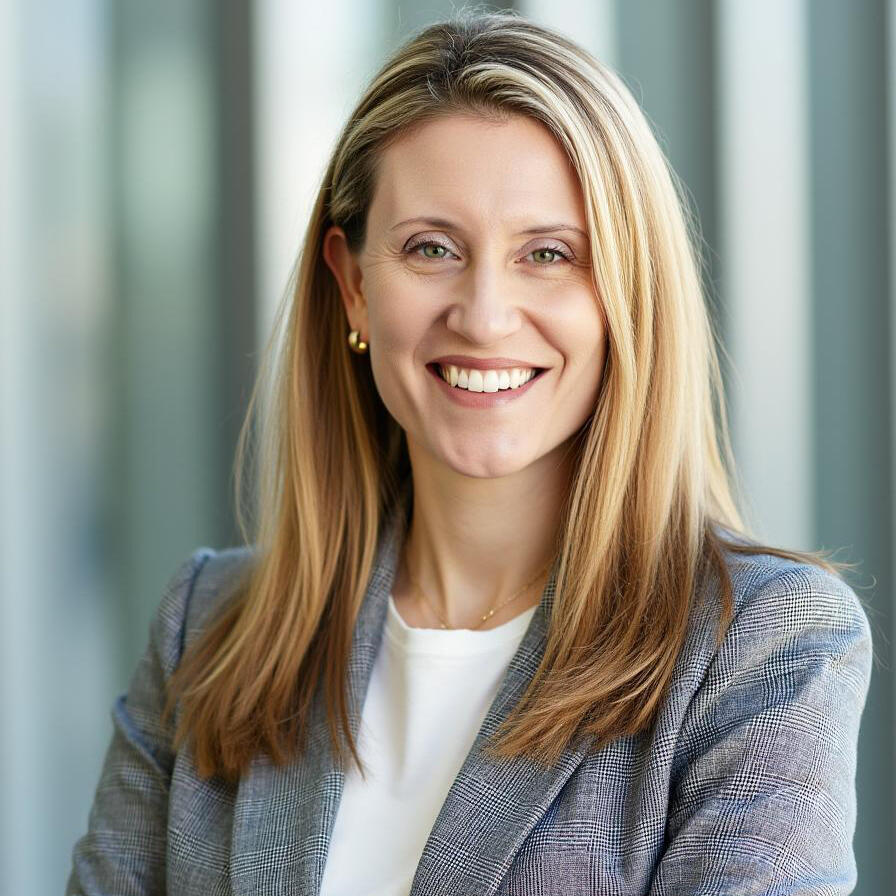
Meet Our Current Scholars
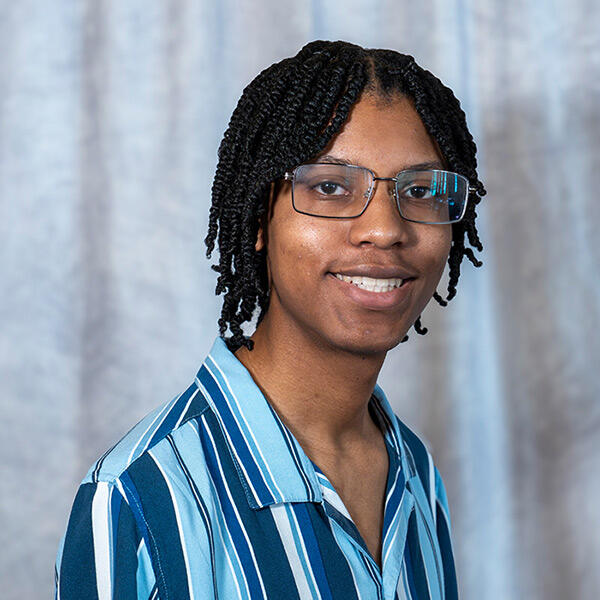
Willoughby Caine, Mathematical Sciences Ph.D. Student
“My research interests are in enumerative and algebraic combinatorics, with certain connections to graph theory and computational complexity.” We place increased focus on problem-solving and abstract thinking, and greater emphasis on visualization and individualized instruction; my interest is to bring these modernizations to the place combinatorics currently occupies in math education. ”
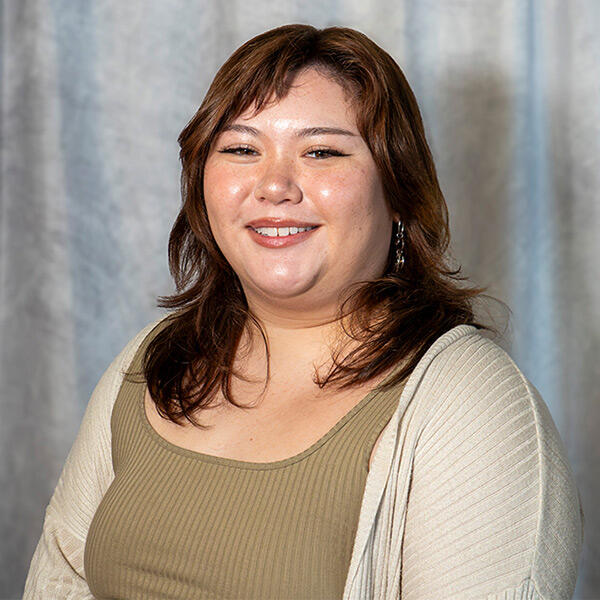
Amber Callaway, Biological Sciences Ph.D. Student
“My aim for my Ph.D. is to expand my expertise in microbial physiology and develop my skills in molecular biology and computational analysis. I seek opportunities to collaborate across institutions and disciplines that will allow me to integrate molecular biology, computational analysis, and clinical perspectives to address complex questions in microbial adaptation.”
Luis Cardenas, Electrical Engineering Ph.D. Student
“I pursue a singular research agenda: the design of AI-driven agentic architectures that operate at the intersection of wearable hardware, adaptive inference, and personalized clinical reasoning. The goal is not to digitize existing care workflows, but to create a new class of intelligent health agents capable of monitoring, predicting, explaining, and communicating health status.”
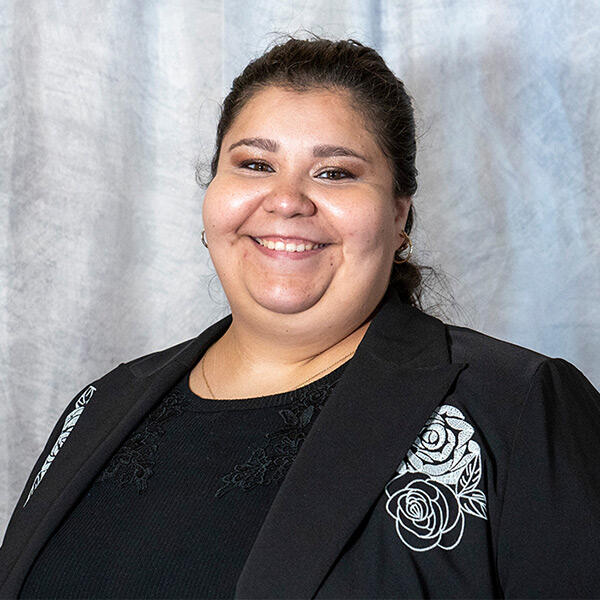
Isabella Stanley, Mechanical Engineering Ph.D. Student
“My research interests lie at the intersection of mechanical engineering and biomedical engineering, with a focus on fluid mechanics and computational modeling of physiological systems. I am particularly focused on understanding and improving cardiovascular flow dynamics through the application of computational fluid dynamics (CFD), with the long-term goal of advancing the design and performance of medical devices that support or augment human circulatory function.”
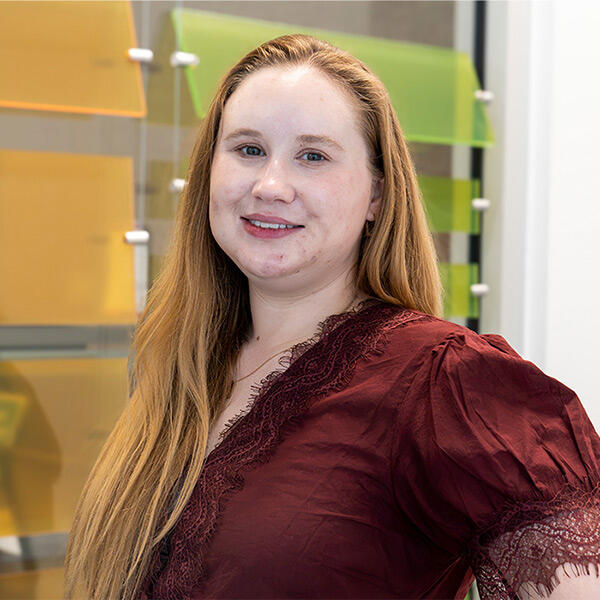
Natasha Sushenko, Biological Sciences Ph.D. Student
“For my dissertation research, I aim to understand metabolic interdependencies in microbial communities through large-scale comparative genomics and computational modeling. My work addresses this gap [in research] by identifying patterns of vitamin biosynthesis and auxotrophy at scale and developing computational approaches to predict how these interactions shape microbial communities.”
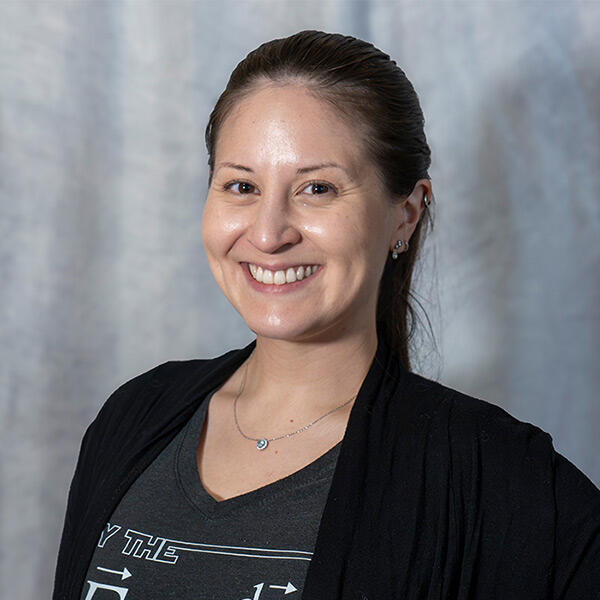
Marina Tanizawa, Chemistry Ph.D. Student
“I aim to [investigate] how instructional structures—such as conceptual scaffolding, analogical reasoning, and active-learning environments—shape student understanding and persistence in chemistry. I am particularly interested in how “big-picture” frameworks can support conceptual integration and reduce cognitive overload, enabling students to move beyond memorization toward deeper, transferable understanding.”
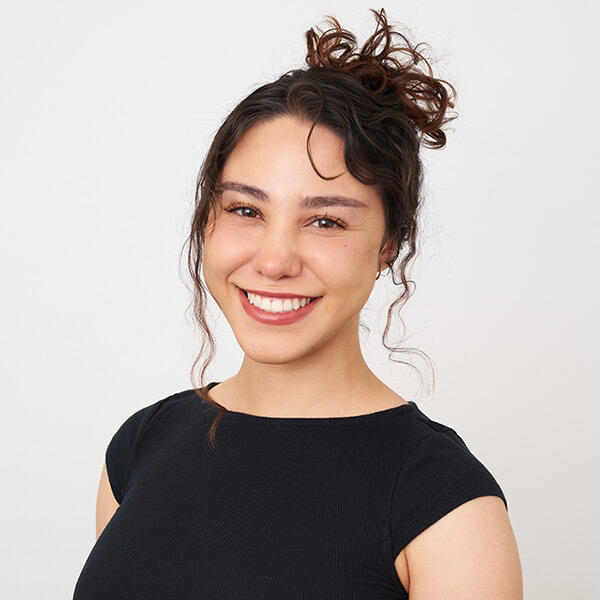
Janalee Vaseur, Biological Sciences Ph.D. Student
“Despite their vast abundance, many microbial species remain hidden to science and society and are severely understudied. I am particularly drawn to the hidden complexity of the microbial world found in desert environments. I aim to investigate the “biological dark matter” of desert microbiomes alongside Nicole Pietrasiak and lab members utilizing genomics, bioinformatics, and advanced microscopy to characterize new lineages of cyanobacteria and algae and advance our understanding of understudied microbial life.”
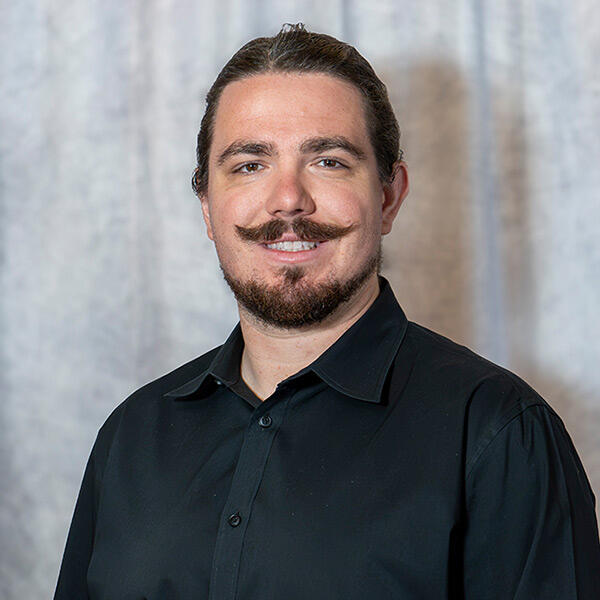
Daniel Witoslawski, Computer Science Ph.D. Student
“My specific research interests began to converge around a singular objective: building computational architectures capable of decoding the complex logic of the genome. I am driven by the conviction that to understand the dysregulation of human health, particularly in oncology, we must move beyond traditional "black box" machine learning models.”
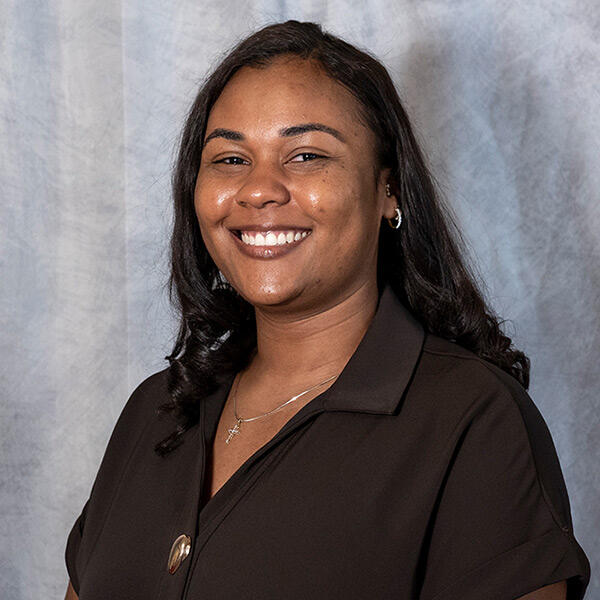
Kennedy Rhena Omojola, Electrical Engineering Ph.D. Student
“My research interests lie in the design of reliable and efficient digital systems for safety-critical applications, particularly those that require real-time responsiveness and high levels of accuracy under constrained conditions.I am especially interested in developing low-cost, accessible hardware solutions that can be integrated into existing infrastructures to improve detection, prevention, and response.”
Michelle Jessica (“Mije”) Von Merta-Sustarich, Chemistry Ph.D. Student
“Tyler Dangerfield’s laboratory at UNLV will allow me to pivot my background in mechanistic biochemistry toward the study of genome instability, retrotransposon biology, and disease-relevant gene regulation. The opportunity to study retrotransposons is particularly compelling; as major drivers of genome evolution and structural variation, their dysregulation is a critical, yet under-explored, contributor to oncogenesis. I am especially interested in how retrotransposons reshape genome structure, disrupt gene regulation, and contribute to diseases such as cancer.”