In The News: Kirk Kerkorian School of Medicine at UNLV

One week after the election, the nation remains deeply polarized, despite Donald Trump's comfortable victory. This division is straining friendships and family relationships, with many Americans expressing their distress.

Locals and voters across the country made it clear the economy is the number one issue facing us all. This was the main topic of discussion at the annual Outlook Event hosted by UNLV's Center for Business and Economic Research.


Nevada ranks 48th in the nation for women’s overall health, everything from access and affordability to preventative screenings and mental and maternal health. “Across the board we’re short in every physician of every specialty,” Dr. Marc Kahn, the Dean of UNLV’s School of Medicine, now the Kirk Kerkorian School of Medicine, said.

A statewide program expands mental health resources to children and teenagers. The Pediatric Access Line, which launched in 2020, makes it easier for doctors to connect with mental health professionals.

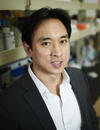
As people continue to experience some stress and anxiety related to the election, experts are sharing tips on how to manage your mental health. Dr. Weiming David Chu, an associate professor in the Kirk Kerkorian School of Medicine at UNLV Department of Psychiatry and Behavioral Health, joined us to discuss more.
Television and film star James Van Der Beek announced that he is battling colorectal cancer. The 47-year-old former “Dawson’s Creek” actor announced the diagnosis on his personal Instagram page and later confirmed it to People. Van Der Beek had been keeping the news private but was compelled to come forward to prevent a tabloid from running the story.

In the final episode of The Killing Drugs, host Vanda Felbab-Brown speaks with Dr. Lisa Durette and Dr. Alexis Kennedy of the University of Nevada, Las Vegas, about the impact of the fentanyl and opioid epidemics on young people. They explore risk factors leading to substance use disorders among the young, including developmental vulnerabilities, the social environment, and trauma and abuse. They discuss the challenges in identifying opioid use in adolescents, how to have conversations with young people about drugs, and the importance of community and family involvement in prevention. Finally, they explore treatment and other drug support services available to young people or their lack of, including in the juvenile justice system.
In the final episode of The Killing Drugs, host Vanda Felbab-Brown speaks with Dr. Lisa Durette and Dr. Alexis Kennedy of the University of Nevada, Las Vegas, about the impact of the fentanyl and opioid epidemics on young people. They explore risk factors leading to substance use disorders among the young, including developmental vulnerabilities, the social environment, and trauma and abuse. They discuss the challenges in identifying opioid use in adolescents, how to have conversations with young people about drugs, and the importance of community and family involvement in prevention. Finally, they explore treatment and other drug support services available to young people or their lack of, including in the juvenile justice system.
In this episode, Vanda Felbab-Brown discusses the fentanyl and opioid crisis in Nevada with Dr. Anne Weisman and Dr. Sara Hunt of the University of Nevada, Las Vegas (UNLV). They analyze the high rates of opioid misuse in the state and the resulting strain on health systems and behavioral health workers as well as coroners, a professional group essential in responding to drug use, but often neglected in policy focus. Their conversation explores the significant innovations that the state of Nevada adopted as a result of UNLV research and policy work and ways in which it can serve as an exemplar to other U.S. localities struggling with inadequate resources to deal with fentanyl.
Ten years after he and his wife experienced a pregnancy loss, Eli Schiff still gets a bit choked up talking about his experience with miscarriage. “You’re imagining all the things that he or she could be, you know, and that imagination or that idea of what they could have been, it doesn’t really go away,” he says of the grief associated with miscarriage.
For more than three decades, the federal government sought to make amends to countless Americans who developed cancer after being exposed to radiation from nuclear testing in the Southwest or while working in the uranium mining industry.

“Can you imagine a day when you turn on your faucet and no water comes out?” The hypothetical question, posed by a research team at UNLV, is called a “Day Zero” scenario. It sounds like the plot of a doomsday apocalypse series but it’s not as unimaginable - or as far-fetched - as a Hollywood screenplay might seem.