News: Department of Physics and Astronomy
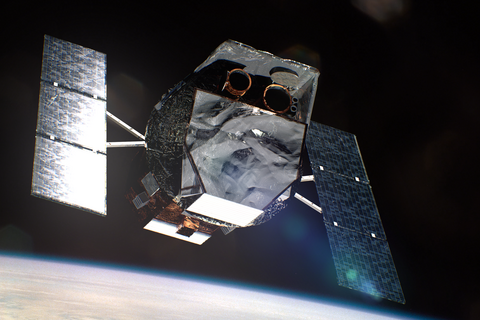
Two studies pair observational data with machine learning models to increase precision in distance estimates for GRBs.
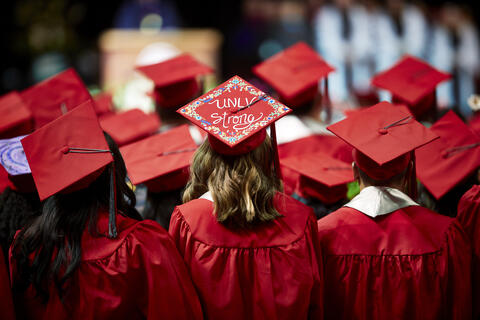
President Keith E. Whitfield honors six graduates who have shown exemplary commitment to both the community and their studies.
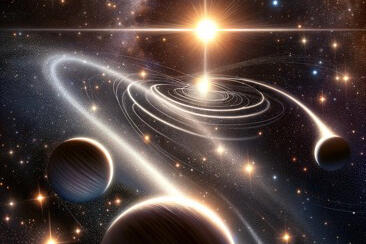
Study in Nature Astronomy theorizes that dense stellar clusters may eject pairs of giant planets, which remain gravitationally bound to one another.
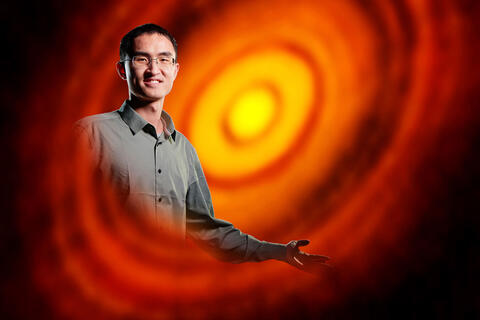
International student Shangjia Zhang lands a highly competitive NASA grant and UNLV graduate fellowship.

We checked in with UNLV astrophysicist Jason Steffen about his zippy method for boarding an aircraft and what kind of differences it can make.
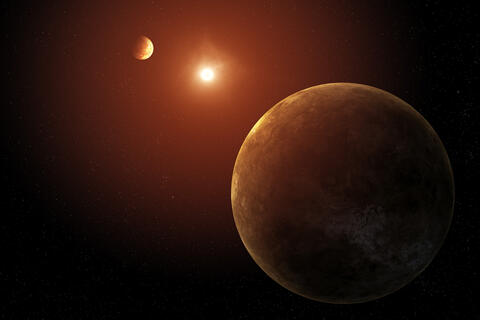
UNLV astrophysicist Jason Steffen worked on new NASA research that provides a deeper understanding of our solar system’s history and measuring exoplanets.
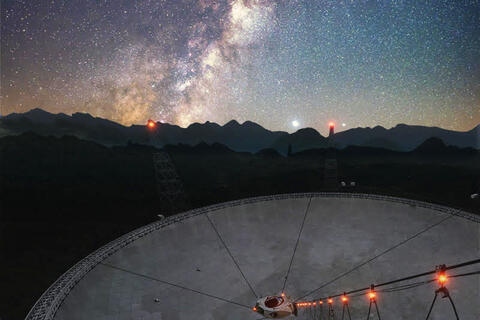
International team reports on a radio pulsar phase of a Galactic magnetar that emitted a fast radio burst in 2020; observations suggest unique origins for “bursts” and “pulses," which adds to FRB formation theory.
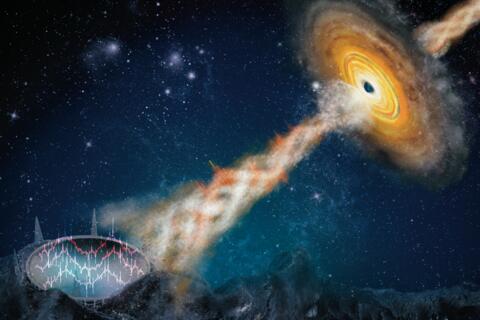
An international team of scientists reports in Nature the first detection of a quasi-periodic oscillation signal in the radio band from a Galactic black hole system.

From de facto time machines to the story behind your TV static, UNLV cosmologist and computer scientist Paul La Plante shares four facts you probably didn’t know about the universe.
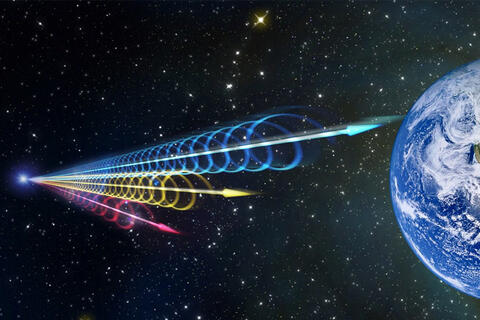
International team of scientists reports a possible correlation between gravitational waves from neutron star mergers and fast radio bursts; results could improve understanding of how some deep-space bursts occur.
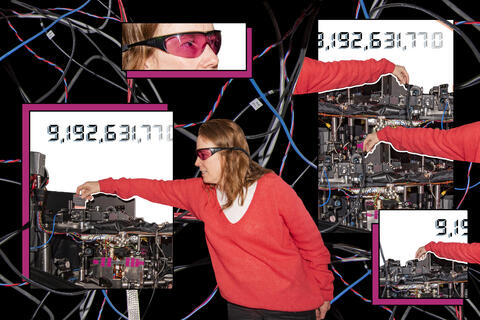
Physicist Elizabeth Donley tackles the challenge of precisely redefining the second.
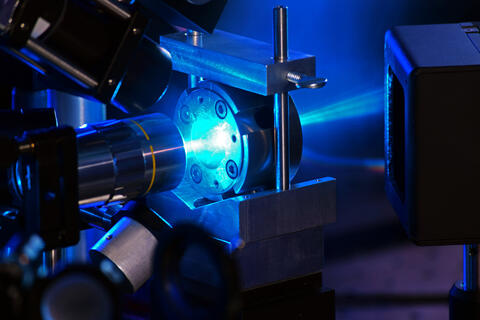
Groundbreaking discovery was the norm for Rebel researchers in 2022. Here's a selection of our favorite news-making UNLV research highlights from the year.