School of Public Health News
The School of Public Health is dedicated to improving the health and well-being of people worldwide. Our departments, programs, and research units work to provide a diverse education, practical training experience, and numerous community involvement opportunities to prepare students to become leaders and professionals in the field of public health.
Current Public Health News

The Public Health Alumnus of the Year addressed critical need by spearheading the first accredited, hospital-based paramedic training program in Las Vegas.

Public Health professor Gabriela Buccini and her team are studying the needs of mothers and children to help improve health outcomes for families.
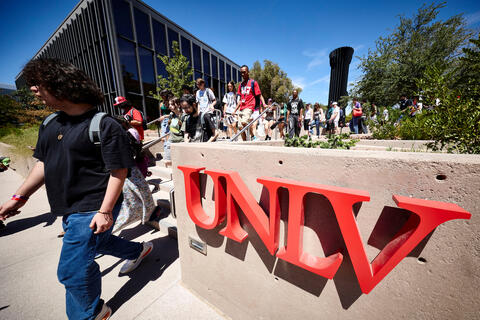
A selection of prominent headlines featuring UNLV experts from July and August.

From advancing their professions to improving the lives of others, this year’s honorees are putting their expertise to work in ways that reflect the values and experiences they gained at UNLV.
UNLV epidemiologist Brian Labus and public health alumna Devin Raman explain how disease investigators track outbreaks.

A collection of top headlines featuring UNLV faculty and students.
Public Health In The News

Hope Means Nevada is launching a five-week statewide walking challenge Oct.17 to raise awareness for youth mental health. The initiative will wrap up Nov. 17 with a community event in partnership with UNLV's School of Public Health.
By middle age, we often have about half the NAD+ we did in our youth. Hence, dietary supplements are being advocated by wellness influencers and some researchers.
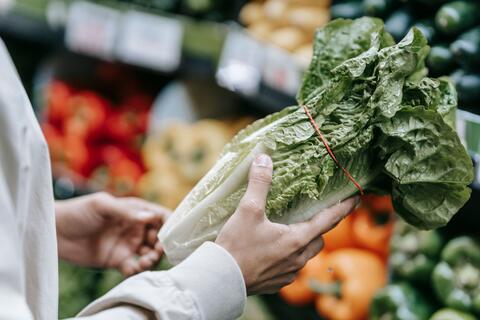
If the potato is still firm and not green, you can safely eat it after cutting away the sprouts—but avoid any that are soft, wrinkled, or smell off.
About 240,000 cases of ovarian cancer are diagnosed every year in the world.
It’s late September, and the flu season is starting up again. Pharmacies are advertising shots, and many of us are asking the same two questions: Am I protected, and does where I live make things worse?

Geared toward children ages 3 to 11, the free community event featured hands-on gardening, chef demonstrations, a produce market, music, dancing, and a partnership with UNLV’s Nevada Institute for Children’s Research and Policy for its “Step Up for Kids” initiative.