Dustin Hines

Biography
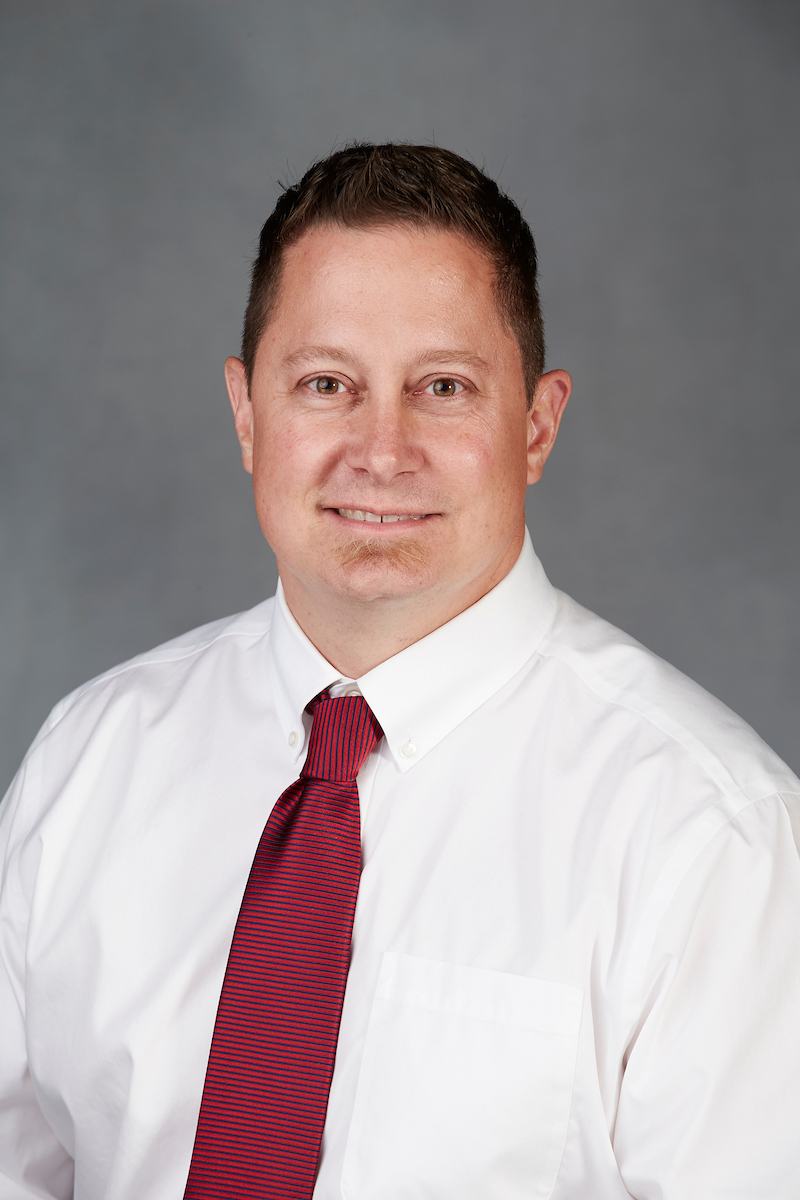
Dustin Hines is an associate professor of neuroscience in UNLV's psychology department. His expertise focuses on understanding brain function, how its cells interact to influence behavior, and supportive mechanisms within the central and peripheral nervous systems.
Hines is a co-director of the Hines Group Comprehensive Neuroscience Lab, which has pioneered the study of non-neuronal cells, known as glial cells, in the processing of information for behavioral output. His research has examined the role that glial cells play under normal and abnormal conditions, which include neuropsychiatric disorders (such as depression and PTSD), traumatic brain injury, stroke, and Alzheimer's disease. Other studies have investigated the roles of astrocytes in complex behaviors such as cognition and attention, as well as in sleep disorders and other conditions. Most recently, the lab has delved into the possible medical benefits of psychedelics.
In addition to research and teaching, Hines mentors and oversees research by high school, undergraduate, graduate, and postdoctoral students. In 2021, his lab received funding from the National Institutes of Health for an initiative to improve collaborative biomedical research efforts in the American West.
Education
- Postdoctoral Fellowship, Tufts University School of Medicine
- Ph.D., Neuroscience, University of British Columbia
Dustin Hines In The News


Articles Featuring Dustin Hines
UNLV Newsmakers 2026: Summer Edition
A selection of prominent headlines featuring UNLV experts from July and August.

UNLV Newsmakers 2026: June
A collection of top headlines featuring UNLV faculty and students.

UNLV Newsmakers 2026: April
A flowery collection of top headlines featuring UNLV faculty and students.

UNLV Newsmakers 2026: February
Some of the hottest headlines featuring UNLV faculty, staff, and students.