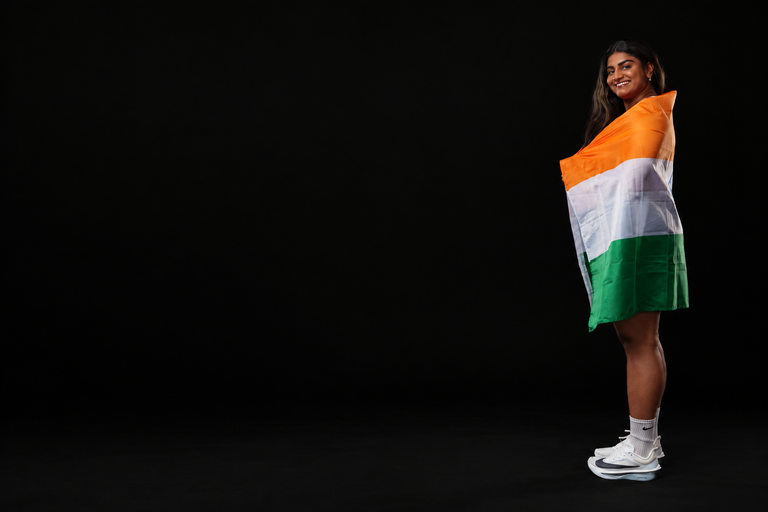
Meet the Author
Sofia Yeremian is a second-year medical student at the Kirk Kerkorian School of Medicine at UNLV. A Los Angeles native, she graduated summa cum laude from UCLA with a degree in molecular, cell, and developmental biology. At UCLA, she conducted research in the Division of Infectious Diseases and served as the first intern for the Armenian American Medical Society, the world’s largest medical organization for medical professionals of Armenian descent.
Yeremian is also the founder of the Armenian Pre-Health Society, a California-based organization spanning eight university and college campuses that provides undergraduate students with mentorship and resources to pursue careers in healthcare. She serves as president of the medical school's First-Generation, Low-Income Student Organization, is an Association of Women Surgeons chapter board member, and co-founded the school’s Armenian Student Association.
Being accepted into a medical school named after an Armenian was something I never imagined growing up. Raised in Los Angeles and attending school in Glendale — a city with the largest Armenian population outside of Armenia — I was surrounded by the culture every day. Yet despite being so connected to my heritage, I had never been to Armenia. Visiting the motherland, walking the same streets my parents once walked, had always been a dream of mine, but one I assumed would happen “someday.”
That someday came sooner than I expected. After my acceptance to the Kirk Kerkorian School of Medicine at UNLV, I asked my parents for one last big trip before beginning the long road of medical training. The choice was obvious — Armenia. My mom hadn’t returned since leaving after the 1988 earthquake that destroyed her hometown of Gyumri, a city billionaire businessman and “father” of the Las Vegas megaresort Kirk Kerkorian helped rebuild — making this trip deeply personal for both of us.
The journey began smoothly. Our flight from Los Angeles to Paris was easy, and we landed buzzing with excitement for the final leg to Yerevan. But as soon as the plane touched down, the pilot’s voice came over the intercom: The steering system wasn’t working, and we couldn’t taxi. We sat on the runway for over an hour, watching the clock tick past our connection time. By the time we finally stepped off the plane, our flight to Armenia had already departed. The rest of the evening became a blur as we scrambled for food and accommodations before collapsing for a few short hours of sleep. By morning, we were exhausted but hopeful the worst was behind us.
It wasn’t.
When we boarded the rescheduled flight, my mom and I took our seats in the very last row. Moments later, an older gentleman slowly made his way down the aisle, his face pale and waxy, sweat forming along his forehead. He sat diagonally from us, coughing — a deep, rattling cough that seemed to shake him. As the plane ascended, his condition worsened. His wife hovered over him, urgently pressing chocolate and cookies into his hands, begging him to eat, convinced his blood sugar was dropping.

A flight attendant approached and, in English, asked if he needed medical attention or wanted to lie down. He didn’t understand her. She didn’t speak Armenian, and most of the passengers didn’t speak English. Almost instinctively, I leaned forward and began translating. When the attendant realized I was the only option for communication, she asked me to leave my seat and assist her.
At first, he brushed off the concern. But minutes later, his head dropped forward, his hands gripping the seat in front of him. His color faded. The flight attendant ran to the front of the plane and returned with two emergency medicine doctors from France, both heading to Armenia on a humanitarian mission. Neither spoke Armenian. Suddenly, I wasn’t just translating a few sentences — I had become the only link between the man, the doctors, the crew, and his panicked wife.
Piece by piece, we learned his story. He had undergone major abdominal surgery, had six stents in his heart, and, most urgently, hadn’t taken his heart medications for two days. His luggage, with all of his pills, had been left behind in Paris. The doctors instructed me to make an announcement asking if anyone on the plane had beta-blockers or similar medications. The flight attendant handed me the plane’s PA handset.
I stood up, my heart pounding, and began speaking in Armenian, my voice carrying through the cabin. In my nervousness, I slipped — I asked passengers to “bring medications to the back of the helicopter” instead of the airplane. The mistake earned a ripple of laughter, a brief moment of levity in an otherwise tense situation. I corrected myself and repeated the announcement. This time, it worked. Passengers stood up, walked to the back of the plane, and handed over bags filled with medications. Together, the doctors and I sorted through them until we found what was needed.
For the rest of the flight, I stayed with the man as he lay in the back of the plane. I translated every instruction from the doctors, secured the oxygen mask over his face, and helped monitor his vitals. Slowly, his breathing steadied, his color returned, and by the time we landed in Yerevan, his vitals were stable, and he was alert again.
The gratitude that followed was overwhelming. The doctors thanked me, the flight crew thanked me, but the moment that stayed with me most was when his wife clasped my hands and whispered words of relief and thanks through tears.

A few days later, while exploring Armenia, I stood in Gyumri — my mother’s city, her home — and unexpectedly came across the statue of Kirk Kerkorian. I paused, staring up at it, feeling a wave of connection I hadn’t anticipated. This man had helped rebuild the very city my mother fled after the earthquake, and he is also the reason I am receiving an education in medicine today. The man whose name now marks my medical school had built bridges between worlds, and in a small way, on that flight, I had done the same. What began as a “last adventure” before medical school — a simple trip to finally see Armenia — became something much deeper: a reminder of why I chose medicine, why I chose the Kirk Kerkorian School of Medicine, and why I hope to always step in when language, culture, or circumstance creates a barrier for someone in need.
Interested in supporting medical students like Sofia Yeremian, the school of medicine, and its mission to transform healthcare in Nevada? Visit our website to learn about the ways you can contribute and make a difference in our community.