


Master of Science - Emergency and Crisis Management
About Our Program
UNLV’s Master of Science in Emergency and Crisis Management (ECM) prepares current and future leaders to address complex emergencies and crises. The program combines theoretical knowledge with practical application, helping students develop the leadership, management, communication, and coordination skills needed to prepare for, respond to, mitigate, and recover from natural, intentional, and technological disasters.
With approximately 20 students in each cohort, the program brings together professionals from Nevada, across the country, and internationally, creating a learning community with diverse experiences and perspectives.
Five Reasons to Choose UNLV for Your Master’s in Emergency Crisis Management
- Surround Yourself with a Network of Dedicated Professionals: Our program brings together professionals with diverse backgrounds and experiences who are committed to protecting communities and strengthening organizational preparedness. Students learn alongside peers working in emergency services, law enforcement, government, public safety, security, and related fields. Their real-world experiences enrich discussions, strengthen collaboration, and provide valuable perspectives.
- We Offer Flexibility for the Working Professional: To help students balance their graduate studies and professional responsibilities, this program follows a hybrid model, with most of the coursework being completed online. Our online coursework is complemented by in-person educational and professional development UNLV events to close out each semester. These events include workshops, networking sessions, and keynote presentations with emergency management professionals. This format supports continued professional development while helping students apply their learning to real-world emergency management challenges.
- Learn in the Dynamic Setting of Las Vegas: UNLV's location offers opportunities to explore tourism security and crowd management with internationally recognized faculty and through connections to the local public safety and hospitality industries. Las Vegas provides a unique setting for examining the challenges of protecting visitors, managing large crowds, and coordinating responses in a major tourism and events destination.
- Gain the Skills to Make a Difference: Prepare to lead before, during, and after a crisis. Students develop the knowledge and practical skills to assess risks, and repair systems. Learn what it takes to ensure a community sustains resiliency.
- Learn from Experienced Faculty and Industry Professionals: Students learn from faculty with professional backgrounds that include the Department of Homeland Security, the Federal Emergency Management Agency, the Federal Bureau of Investigation, and state and municipal agencies. These perspectives connect academic concepts with the realities of emergency management, helping students understand the decisions, coordination, and leadership required during high-pressure situations. Opportunities to engage with peers, faculty, and professionals also help students expand their networks and grow professionally.
Who Is This Program For?
The program is well suited for working professionals in emergency services, law enforcement, fire and rescue, government, healthcare, public safety, private security, and hospitality who want to expand their expertise or pursue leadership positions. It may also benefit communication and public relations professionals involved in emergency preparedness, crisis messaging, and response coordination.
Whether you’re looking to advance in your career or transitioning into emergency management, this program will help you gain knowledge and skills to help organizations and communities.
Program Curriculum
Students explore topics such as emergency planning, risk assessment, crisis communication, disaster response and recovery, leadership, and interagency coordination. The program emphasizes applying research and evidence-based practices to real-world challenges.
Students also examine emerging threats, including technological disruptions, cybersecurity incidents, and public health emergencies, and consider how organizations can prepare for and respond to evolving risks.
Capstone Experience
The ECM 734 capstone provides a culminating opportunity for students to critically reflect on emergency management practices, integrate research and evidence-based approaches into professional operations, and identify resources for continued professional development. Students demonstrate mastery of the program's learning objectives and the knowledge gained throughout their graduate studies.
What Careers Can Graduates Pursue?
The degree can support career pathways in emergency management, disaster preparedness and recovery, emergency planning, business continuity, public safety coordination, security and risk management, and crisis communication. Graduates can apply their skills to pursue new opportunities or take on greater responsibilities within their current organizations.
For professionals looking to advance their careers or transition into emergency management, our master’s program offers an opportunity to build expertise and prepare to lead organizations and communities.
Explore Financial Assistance Opportunities
Investing in your education can help you build the expertise needed to advance in emergency and crisis management. Financial aid is available through the UNLV Office of Financial aid & Scholarships, and some students may qualify for employer tuition assistance. The program is also approved for the U.S. Department of Veterans Affairs (VA) education benefit.
Contact the UNLV Office of Financial Aid & Scholarships to explore available resources and eligibility requirements. Additional financing resources and information can be found on the Graduate College’s Financing Your Graduate Studies page.
Meet Our Faculty
Dory A. Mizrachi, Ph.D.

John Bakkedahl
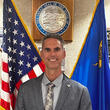
Paul Davis, Ph.D.
Eva Fontaine

Ryan Fuller, Ph.D.

Marc Glasser

Donette Gordon, Ph.D.

Yuri Graves
Jeremy Hynds, MS, CEM, MEP
Alexis Kennedy

Carolyn Levering

Carlito Rayos
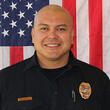
Antoine B. Richards

Dustin Richardson

Billy Samuels

Bryan Scyphers
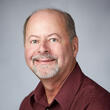
George Togliatti

Ready to Become a Rebel?
Contact Us
For more information about our program, email ecm.gradcoord@unlv.edu.