UNLV research is central to Nevada’s economic prosperity, increasing the availability of good-paying jobs and the secondary industries that support them. We put our expertise to work through projects and partnerships that solve challenges, create opportunities, and answer the profound questions of our time. UNLV research also directly translates to teaching, elevating student learning and bringing context to issues facing our state, nation, and world.
UNLV's Impact
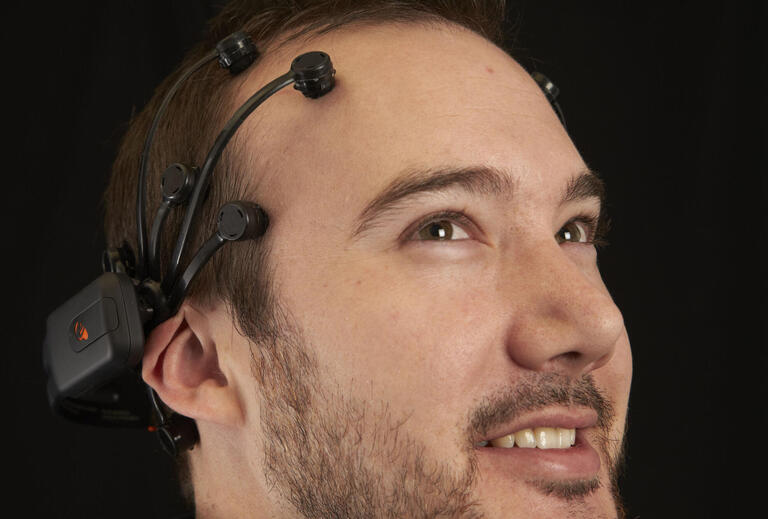
Alumnus Andrew Nordin develops technique that provides clearest view yet of how the brain responds to obstacles when people are walking or running.
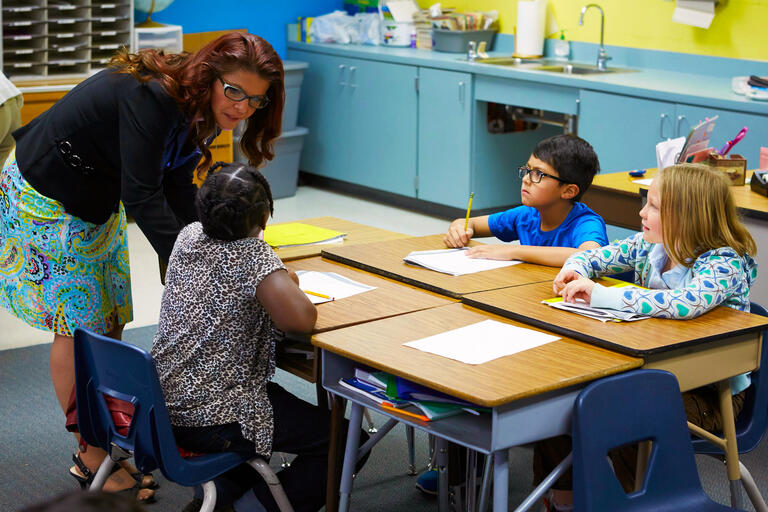
Assistant professor of public health Brian Labus offers some reasons for optimism for bringing younger students back to the classroom.

UNLV political science expert Tiffiany Howard examines the lag in U.S. Black business ownership and opportunities for closing the racial wealth gap.

New study from UNLV climate scientist Matthew Lachniet links Arctic and tropical Pacific warming to ancient climate records, providing parallels to today.
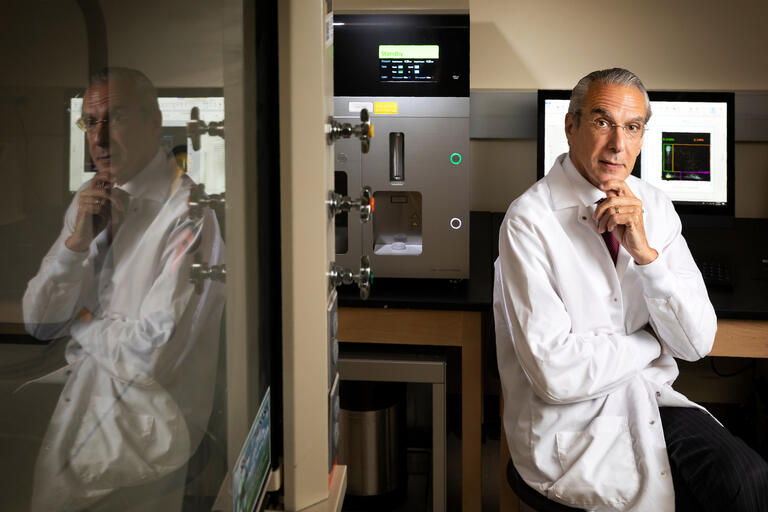
Dr. Jeffrey Cummings examines drug pipeline for treatments, and finds reason for optimism.
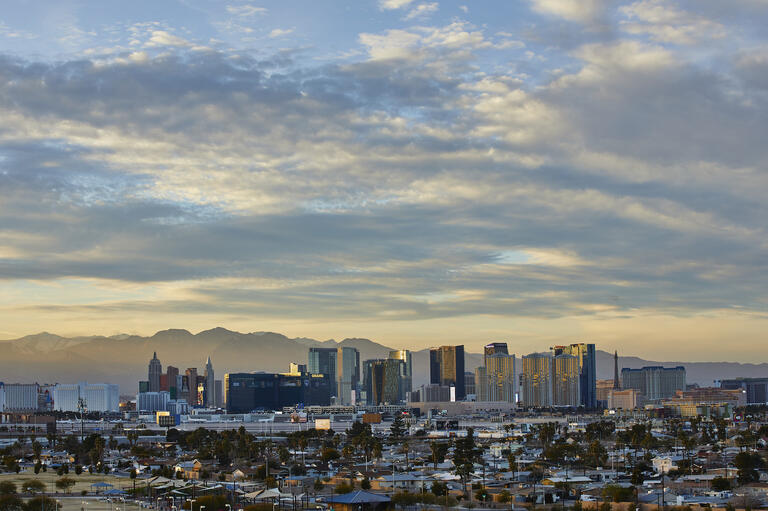
UNLV researchers share lessons learned from Casino Cosmopol CEO Per Jaldung.
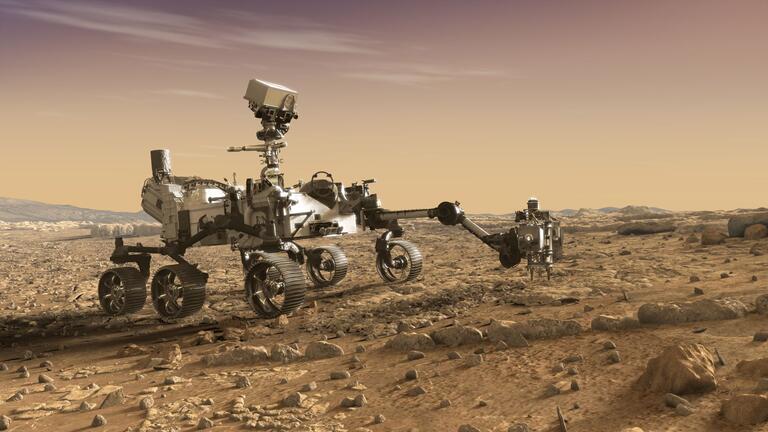
Geoscientist Libby Hausrath gives an insider glimpse at her role as one of 15 scientists selected by NASA to work on Mars sample return on the 2020 Rover Mission.

Business professor and socialization researcher Richard Gardner offers tips for coping with unfounded paranoia that you’re not good enough.
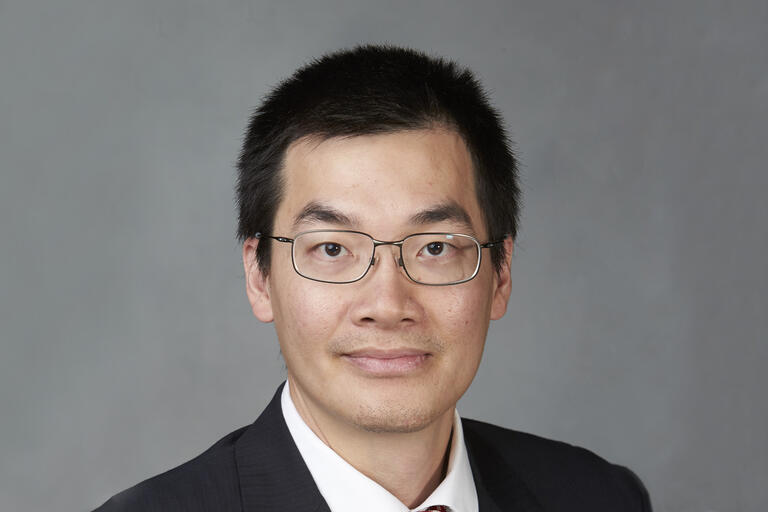
Physical therapy professor Szu-Ping Lee relies on patients – particularly veterans and seniors – as well as clinicians to help guide his research on ways to improve mobility after limb loss.