Nevada Institute for Children's Research and Policy News
Current Children's Research and Policy News

National Lead Poisoning Prevention Week, a nationwide effort to protect children from the dangers of lead exposure, runs from Oct. 19-25.
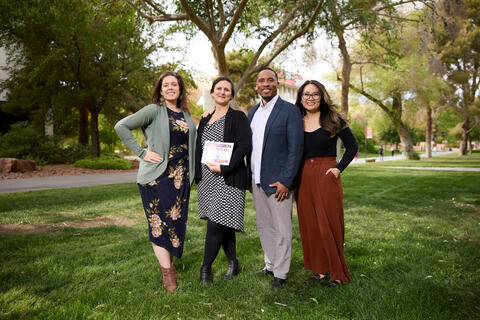
Amanda Haboush-Deloye, 2025 Community-Based Research Award winner, works with community partners to get data about family well-being into the hands of decision makers.
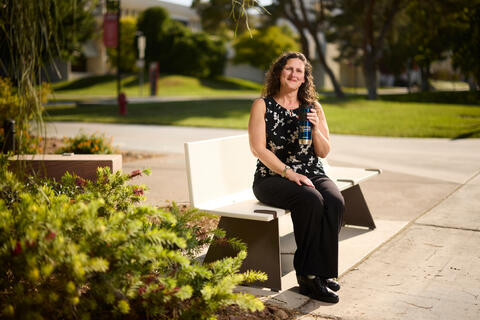
The native Nevadan and triple alumna is devoted to making our community better through the Nevada Institute for Children's Research & Policy.

UNLV child advocacy expert Amanda Haboush-Deloye examines the pandemic’s impact on abused youth, and how medical professionals and others can help reverse the trend in unreported cases.

Ninth annual check of state’s entering kindergartners showed more have health insurance, yet barriers to health care access still exist.

Annual survey shows the number of Silver State kindergarteners with health insurance has spiked to 92 percent.
Children's Research and Policy In The News

Geared toward children ages 3 to 11, the free community event featured hands-on gardening, chef demonstrations, a produce market, music, dancing, and a partnership with UNLV’s Nevada Institute for Children’s Research and Policy for its “Step Up for Kids” initiative.
A 2024 survey of nearly 280 programs conducted by the Nevada Afterschool Network found that less than 20% have the capacity to care for children with severe disabilities.

According to a report by the Nevada Institute For Children's Research and Policy, at UNLV, about 10.3% of high school students in the county who took a survey last year said that they tried electronic vapes for the first time before the age of 13.

Each year, the Nevada Institute for Children’s Research and Policy team up with the University of Nevada, Las Vegas to elect the Clark County Youth Mayor as part of their Step Up for Kids program.

Based at UNLV’s School of Public Health, the program was first launched about two decades ago through the Southern Nevada Health District. It was the first time Nevada had a dedicated effort to track children’s blood lead levels and understand where and how exposure was happening in Clark County. For five or six years, the program quietly did its work, collecting data and raising alarms where needed — until federal funding dried up and Nevada’s effort, like many others around the country, was shuttered.Then Flint happened.
Based at UNLV’s School of Public Health, the program was first launched about two decades ago through the Southern Nevada Health District. It was the first time Nevada had a dedicated effort to track children’s blood lead levels and understand where and how exposure was happening in Clark County. For five or six years, the program quietly did its work, collecting data and raising alarms where needed — until federal funding dried up and Nevada’s effort, like many others around the country, was shuttered.Then Flint happened.