Department of Epidemiology and Biostatistics News
Housed in the UNLV School of Public Health, the Department of Epidemiology and Biostatistics prepares students for careers in private industry, non-profit, government agencies, or positions requiring study design or data analysis. We provide statistical consulting, survey design, and implementation services at the School of Public Health and campus wide.
Current Epidemiology and Biostatistics News
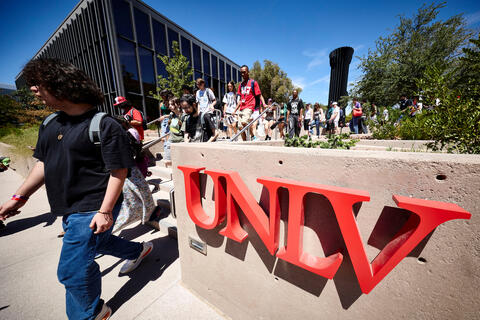
A selection of prominent headlines featuring UNLV experts from July and August.

UNLV epidemiologist Brian Labus and public health alumna Devin Raman explain how disease investigators track outbreaks.

Common professors, life lessons, and support shaped one family's experience at UNLV.
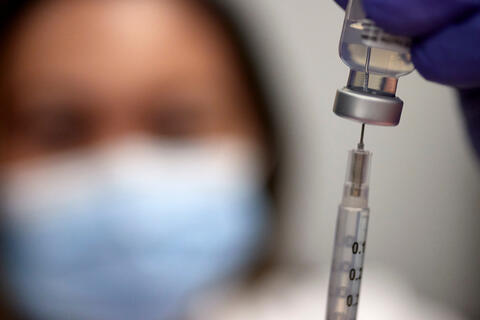
The group will address Nevada’s historically low vaccination rates through education, training, and advocacy initiatives; first community meeting set for April 23.

Some of the hottest headlines featuring UNLV faculty, staff, and students.

A look at some of the most eye-grabbing headlines featuring UNLV faculty, staff, and students.
Epidemiology and Biostatistics In The News
If the potato is still firm and not green, you can safely eat it after cutting away the sprouts—but avoid any that are soft, wrinkled, or smell off.
It’s late September, and the flu season is starting up again. Pharmacies are advertising shots, and many of us are asking the same two questions: Am I protected, and does where I live make things worse?
Leaving dirty dishes soaking in water overnight can allow bacteria that cause food poisoning to multiply rapidly, according to a warning from microbiologists and public health specialists.

Fewer Nevada kindergartners are receiving life-saving early childhood vaccinations as vaccine exemption rates reach record highs, new federal data shows.
Checking into a hotel room feels like stepping into a fresh, sanitized space, especially with those crisp linens and the faint smell of cleaning products in the air. Yet housekeeping staff and microbiologists who have studied hotel rooms say that impression can be misleading.

Just like humans, dogs can get rabies from contact with infected wildlife, according to Brian Labus, an infectious disease epidemiologist and associate professor at the UNLV School of Public Health in Las Vegas, Nevada.