
UNLV Radiochemistry Ph.D. Program
Study Radiochemistry at UNLV
With Nevada’s unique relationship with nuclear activities, Las Vegas has emerged as the place to study the chemistry of the actinides, technetium and other radionuclides. Our Ph.D. program gives students the resources and capabilities to perform hands-on training and novel experiments to best explore, understand, and utilize the fundamental properties of isotopes.
Program Highlights
- We offer research opportunities in nuclear forensics; advanced fuels and novel waste forms; actinide and lanthanide chemistry; nuclear fuel cycle and separations; radiopharmaceuticals; and fundamental and applied research on technetium.
- Many of our graduates secure employment in the private industry; academia and national organizations; and at national laboratories including LANL, LLNL, PNNL, ANL, ORNL, LBNL, and SRNL.
- We have research collaborations with other universities, national laboratories, and international organizations to provide ample opportunity for travel and a full understanding of the world’s radiochemistry field.
- Accepted students receive full funding for tuition, fees, health insurance, conference travel, and stipend. Fellowship and internship opportunities are available as well. These opportunities are advertised through the program and students are encouraged to apply.
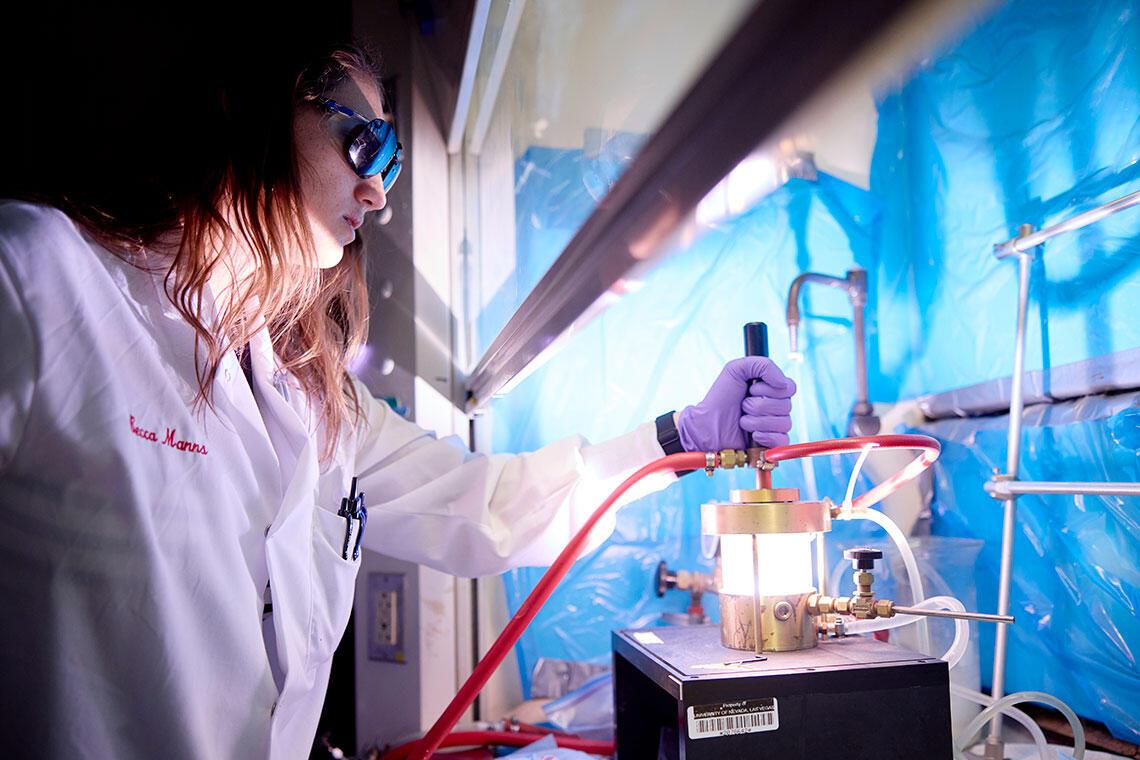
Conduct Research in Our Laboratories and Facilities
The Radiochemistry Laboratory Complex at UNLV has over 7,500 square feet of shared laboratory space and a full complement of advanced instrumentation, including counting, spectroscopy, microscopy, and X-ray diffraction facilities. Radiochemistry Ph.D. students have complete access to program facilities and are encouraged to collaborate and seek innovative approaches to research challenges in this community-based learning program.
Additionally, UNLV's extensive radioactive materials license and radiation safety program allows researchers to safely handle a broad array of isotopes at high activity levels, making this student-led research program unique in the field.
Program Funders and Collaborators
The UNLV Radiochemistry program engages in research across all sectors of the nuclear landscape with funding through governmental agencies, national laboratories and niche industry partners. Student research projects are as diverse as the field itself covering subjects such as nuclear forensics, materials chemistry, advanced nuclear fuel cycle and investigation of medical isotopes.
Advanced Fuel Cycle
The Radiochemistry Fellowship for Nuclear Workforce Development (RFND) is a competitive fellowship program available to UNLV Radichemistry PhD students that focuses on molten salt reactor chemistry, aqueous separation techniques for fuel recycling and fundamental actinide coordination chemistry. Project funding is provided by the Nuclear Regulatory Commission and aims to provide students with comprehensive fellowships covering tuition, health insurance, and stipends. A key outcome of the program is post-graduate employment within the nuclear sector.
Nuclear Forensics
The Research Traineeship for Nuclear Forensics (RTNF) is a competitive fellowship program offered to UNLV Radiochemistry Ph.D. students through the Department of Homeland Security. The research focuses on combining targeted dissolution of radionuclides from debris with rapid microfluidic separations to produce samples with quality signatures within 24 hours of a post-detonation event. Students engaged in the program emerge as experts in nuclear forensics and possess the skills necessary to positively impact research in the applied areas of direct interest to the DHS CWMD program.
Medical Isotopes
Our program has an ongoing collaboration with Niowave, a medical isotope production company. The focus of the collaboration is on production, extraction, and purification techniques for radioisotopes from irradiated uranium targets which includes refining isotope inventories and developing separation techniques.
Collaborations
We proudly collaborate with academic institutions, national laboratories and industry leaders by partnering in funded research consortia. Participation in consortium grants affords our students the opportunity to network with leaders in various sectors while performing relevant research that advances their career and the nuclear field. Our collaborations include:
- Nuclear Science and Security Consortium (NSSC): Radiochemistry Co-Lead, K. Czerwinski
- Consortium for Nuclear Forensics (CNF): Rapid Analysis of Radionuclides, A. Gelis; Cross-cutting Efforts in Training, Outreach, and Research, K. Czerwinski
- Consortium on Nuclear Security Technologies (CONNECT): Fissionable Fuels and Forensics, F. Poineau
- Supporting Strategic Training of Adaptable and Integrated Nuclear Workforce (SUSTAIN): Workforce Development, K. Czerwinski
- Nuclear Security Science and Technology Consortium (NSSTC): Development of Microfluidic Chips for Rapid Detection of Radionuclides, A. Gelis
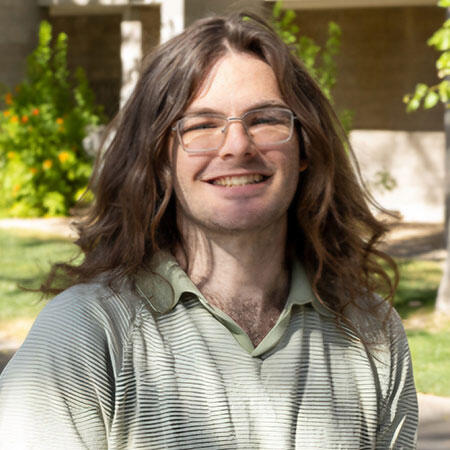
“Our program emphasizes peer-peer learning - students work together and help each other even if they are not necessarily under the same professor or subgroup. It is very collaborative!”Thomas Komay, Current Radiochemistry Graduate Student
Career Opportunities
Graduates of the radiochemistry program have found successful careers in government and private sectors in fields such as nuclear power, medicine, national security, basic research and more. All of these fields are growing and experiencing workforce shortages:
- In 2024, the U.S. Department of Energy called for an increase of domestic nuclear capacity from ~100GW (2023) to ~200GW (2050)
- A 2024 Government Executive report on National Nuclear Security Administration staffing needs, “estimated it needed an additional 684 employees, a 41% increase”
- A 2007 review by the National Academies Press found that “there is a critical shortage of clinical and research personnel in all nuclear medicine disciplines.”
Find a career in nuclear that is right for you at NuclearWorks.
Alumni Employment After Graduation

Nic Cicchetti, Class of 2025
Darleane C. Hoffman Distinguished Postdoctoral Fellow, Lawrence Berkeley National Laboratory (LBNL)

Hannah Patenaude, Class of 2024
Director’s Postdoctoral Fellow, Los Alamos National Laboratory

Vanessa Sanders, Class of 2019
Research Scientist at Brookhaven National Laboratory

Bradly Childs, Class of 2017
Research Scientist at Lawrence Livermore National Laboratory
Faculty and Staff
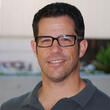
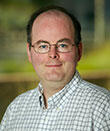
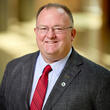
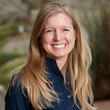
Our faculty bring decades of laboratory experience conducting cutting-edge research that advances the frontiers of nuclear science. As active members of national and international consortia in areas such as nuclear forensics, national security and nuclear energy, they provide students with access to collaborative, real-world research opportunities. Their strong commitment to mentorship fosters student growth, guiding future scientists to become confident, independent researchers and leaders in the field.

“[...] We are lucky to have the advisors we have in this program. They are very well-connected and are often able to help us get internships or opportunities that we may not have gotten otherwise. …we are able to perform experiments that would not be possible to do elsewhere.”Quinn Summerfield, Current Radiochemistry Graduate Student
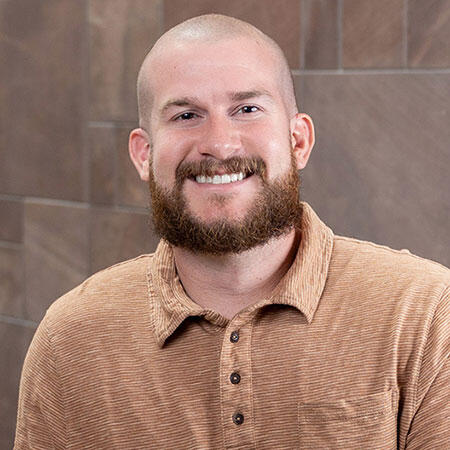
Student Spotlight
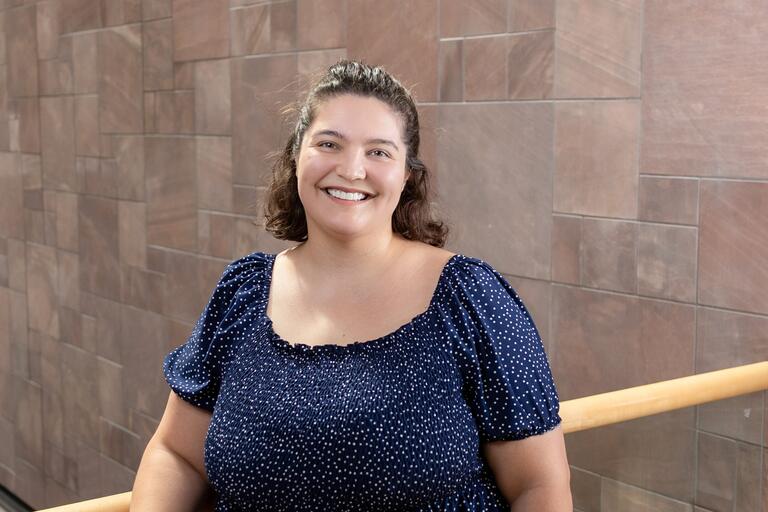
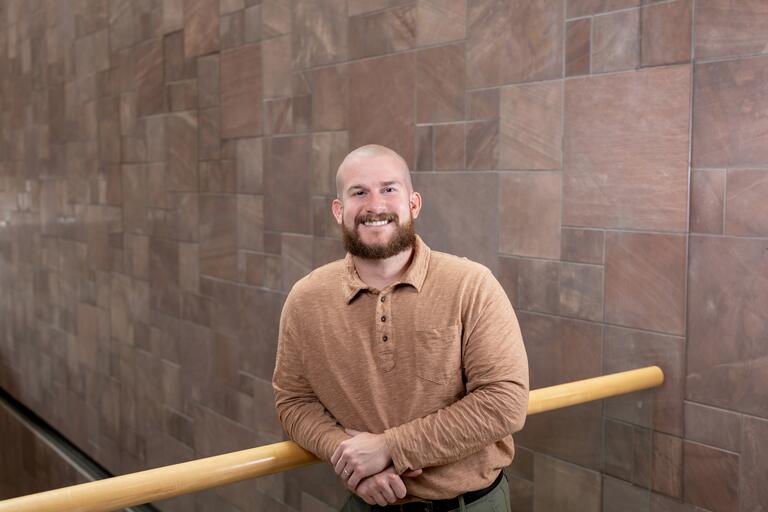

Radiochemistry Program Highlights
What's Happening
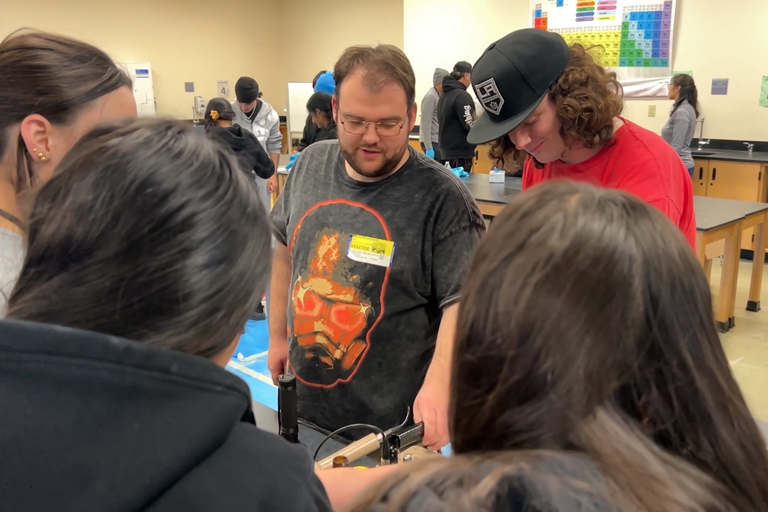
UNLV graduate students host a science workshop at Sunrise Mountain High School, providing an opportunity for kids to explore numerous career pathways.
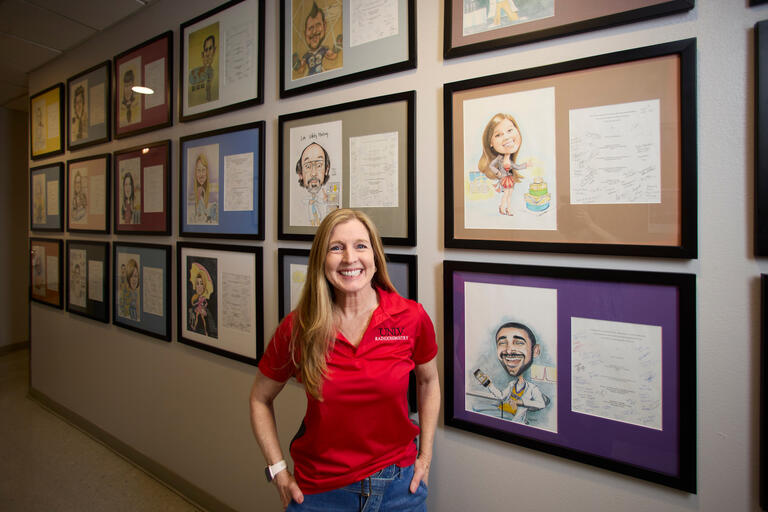
Clearing obstacles and keeping complex research moving defines leadership for UNLV’s radiochemistry Ph.D. program manager.

The program helps undergrads explore a rapidly growing industry in need of skilled workers.
Accomplishments
Upcoming Events
Contact
Mailing Address
University of Nevada, Las Vegas
Harry Reid Center for Environmental Studies
Box 454009
4505 Maryland Parkway
Las Vegas, NV 89154-4009
Phone
702-895-1458
Fax
702-895-1907
Campus Location
Marjorie Barrick Museum of Art and Harry Reid Center (MSM), Room 311
Office Hours
Monday through Friday: 8 a.m.–5 p.m.