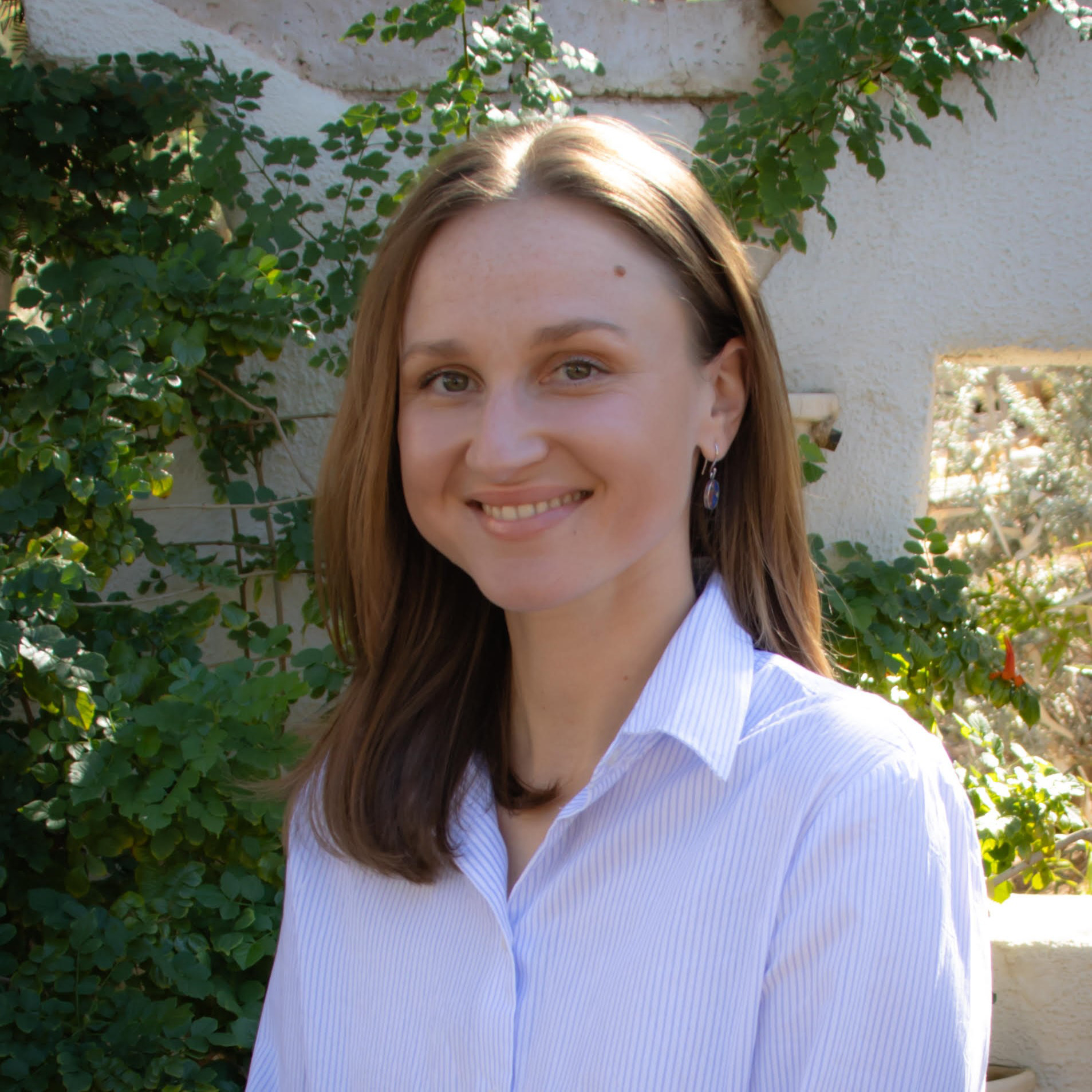
Maja Jeranko
Assistant Professor
Biography
Maja Jeranko (pronounced Maya Yeranko) is a cultural anthropologist whose work lies at the intersection of environmental and feminist anthropology and critical development studies, with a regional focus on Latin America.
Originally from Slovenia, Jeranko has conducted long-term community-engaged ethnographic fieldwork in rural coastal Ecuador, to examine the gendered components of cascading disasters and subsequent reconstruction efforts, focusing particularly on the 2016 earthquake, El Niño-related hazards, and COVID-19. Since 2017, she has collaborated with Fundación A Mano Manaba to develop place-based programs to build capacities to face future hazards and disasters. Her work pays particular attention to shifting gender relations in the context of rapid socioeconomic change, shaped by a decline in fishing, high rates of gender-based violence, and broader forms of systemic violence.
Before joining UNLV, Jeranko was a postdoctoral researcher at the University of Washington and the CoPes HUB, where she co-led Living With Water – an interdisciplinary, community led project on flood adaptation strategies in Seattle’s Duwamish Valley. In collaboration with the Duwamish River Community Coalition (DRCC), the project drew on ethnographic and participatory research methods, including community workshops, and mapping exercises, to co-develop a conceptual flood adaptation plan and build climate resilience in of one of Seattle’s most climate-vulnerable, low-income, and immigrant neighborhoods. Our final report emphasized the importance of including the local communities in decision-making and developing nature-based solutions for people who live in the flood zone.
Her work has been published by Routledge Press, Edward Elgar Publishing and she has several manuscripts pending and under review. She is working on her book manuscript, tentatively titled Disaster Encounters: Gendered Change and Uneven Recovery in Coastal Ecuador, which shifts focus from immediate post-disaster responses to the long-term, everyday dimensions of recovery and transformation. Her research has been supported by the National Science Foundation, the University of Washington, UNC-Chapel Hill, the European Union, and others.
Maja is also contributing editor for the Feminist Anthropology Section of Anthropology News.
Education
- Ph.D., Anthropology, University of North Carolina at Chapel Hill, 2023
- M.A., Latin American Studies, University of Florida, 2017
- B.A., English and Sociology, University of Ljubljana (Slovenia), 2015
Research Interest
- Environmental anthropology (disasters and environmental justice); feminist anthropology; critical development studies; Latin American studies; community-engaged ethnographic research.