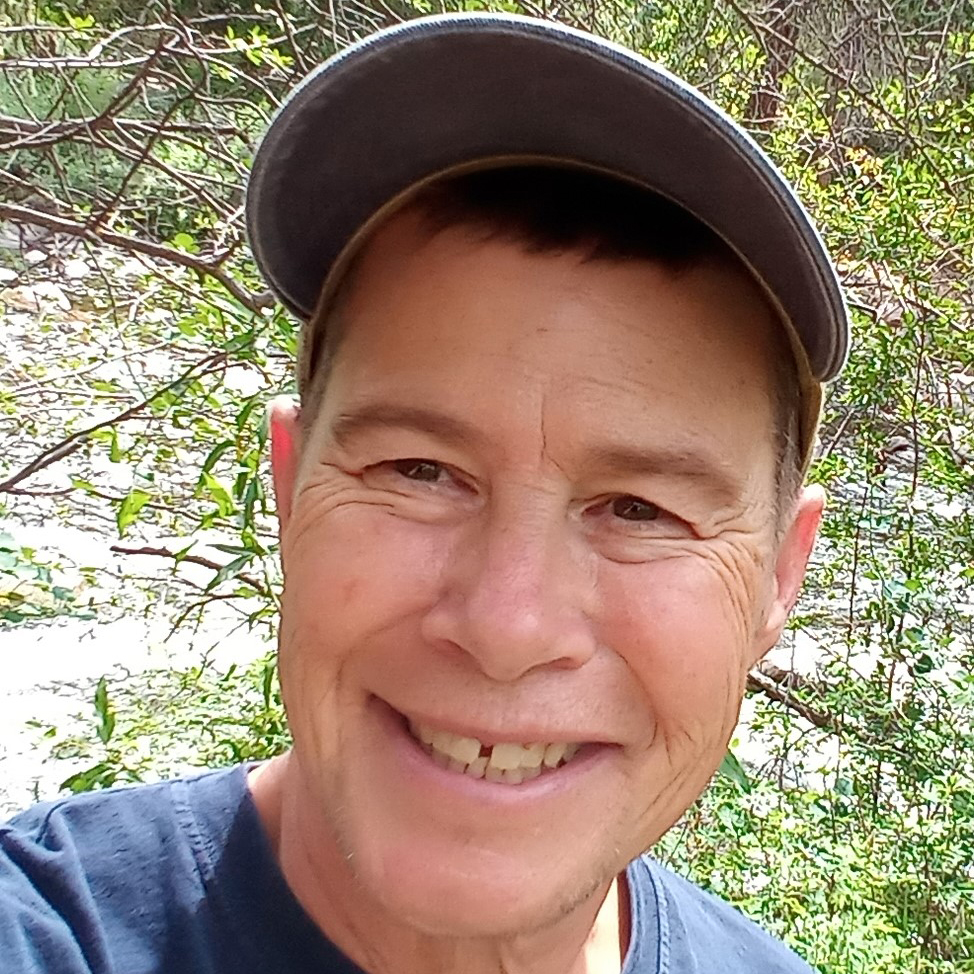
Liam Frink
Professor of Anthropology
Biography
Liam Frink is an anthropologist, research enterprise convener, and community-engaged scholar whose work sits at the intersection of people, place, and the systems that shape knowledge production. His expertise bridges federal research portfolio management and university-level research administration, drawing on experience as an NSF Intergovernmental Personnel Act (IPA) Program Director in the Geosciences Directorate Office of Polar Programs and leadership roles within the University of Nevada, Las Vegas Office of the Vice President for Research and the Office of the Provost.
Frink’s wide-ranging interests include community-engaged research, institutional capacity-building, interdisciplinary STEM–social science collaboration, and the design of research ecosystems that broaden participation. He is particularly focused on connecting academic research with local priorities and cultivating the structures—training, partnerships, and funding pathways—that allow communities, scientists, and institutions to work in partnership.
At UNLV, he launched campus-wide funding programs, expanded undergraduate research infrastructure, and developed grant training and professional development initiatives that have strengthened the research enterprise for faculty and students.
An active scholar, Frink is the author or editor of four books, co-editor of 20 volumes in a University of Arizona Press series, and the author of numerous peer-reviewed publications. His work in community-engaged science has been supported by federal funding and recognized with system- and college-level honors for scholarship.
Frink is committed to advancing research literacy and public-facing scholarship. He teaches and facilitates programs that prepare graduate students, faculty, and community partners to design fundable research, collaborate across disciplines, and navigate the federal funding landscape. Across all of his roles, Frink works to build durable interdisciplinary research environments that value local insight, broaden access, and strengthen the connections between knowledge, communities, and the public good.
Education
Ph.D., University of Wisconsin–Madison, 2003
Research Interests
Research: Rural and suburban community-engaged research; economic, technological, and cultural transitions; ethnographic methods; Arctic and Midwest U.S. Professional Development & Training: Interdisciplinary community-engaged science; comprehensive STEM grant proposal development and research capacity-building.