Brian Hedlund
Biography
Brian Hedlund’s research studies microorganisms in a variety of contexts and habitats, including animal models of Clostridium difficile infection, desert springs, and a variety of biotechnological applications. Our best-known work focuses on terrestrial geothermal springs in the western US and abroad. A major research thrust is exploration of microbial biodiversity. Currently, only half of the major lineages (phyla) of bacteria have been cultivated in a laboratory or carefully described in scientific literature. Many of these “dark” lineages are abundant in terrestrial geothermal systems and therefore ecologically important. We work with a variety of collaborators to learn about these organisms by combining microbial cultivation with environmental systems biology approaches such as environmental genomics (single-cell genomics and metagenomics), meta-transcriptomics and -proteomics, and targeted and whole-community stable isotope approaches such as fluorescence in situ hybridization coupled with nano-scale secondary ion mass spectrometry (FISH Nano-SIMS) and quantitative stable isotope probing (SIP). These studies have also recently expanded to microorganisms in non-thermal springs in the Southwest.
Hedlund also collaborates with industrial and academic partners on a wide variety of projects, including those focused on the development of disease diagnostics and prophylactic drugs, understanding the human microbiome, and developing biofuels technologies.
Hedlund's research is well funded, with major funding from the National Science Foundation (NSF), the National Aeronautics and Space Administration (NASA), the Department of Energy (DOE), and the National Institutes of Health (NIH). He is an author of the SeqCode, which uses genome sequence data as nomenclatural types. The SeqCode allows expansion of formal nomenclature to uncultivated microorganisms that make up a substantial proportion of the tree of life. Hedlund regularly serves on grant review panels for national and international funding agencies.
Education
- Ph.D., Microbiology, University of Washington
- B.S., Biology, University of Illinois
Search For Other Experts On
science & technologyBrian Hedlund In The News


Articles Featuring Brian Hedlund
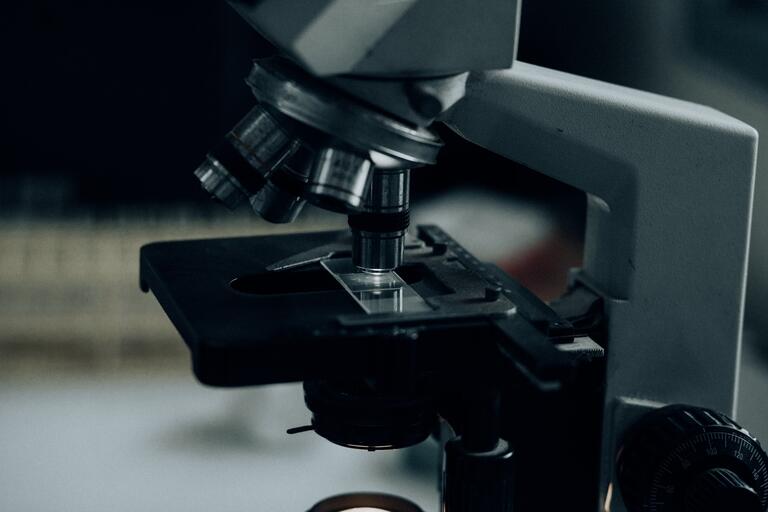
UNLV Study Sheds Light on Ancient Microbial Dark Matter
International team of scientists reveals first in-depth look at Omnitrophota, one of the world’s oldest and tiniest bacteria.
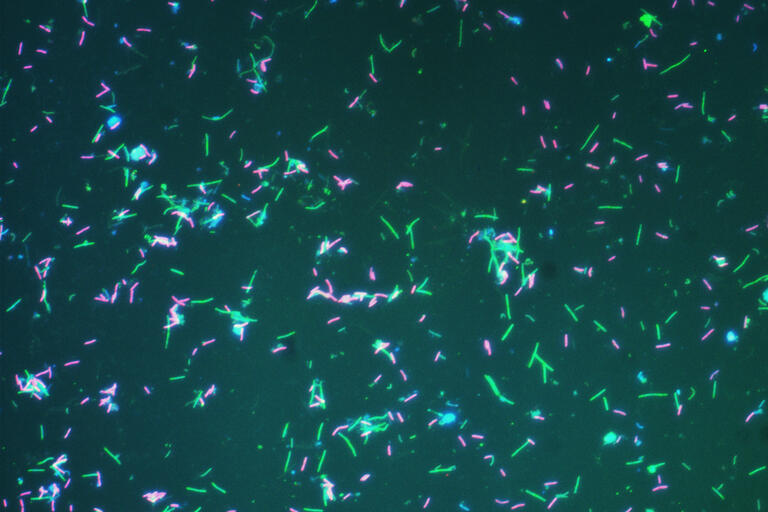
Scientists Unveil New System for Naming Majority of the World’s Microorganisms
The SeqCode is a universal system, created through collaboration of hundreds of scientists, to formally register and name single-celled microorganisms known as prokaryotes.
UNLV Newsmakers 2020: Research and Economic Development
A yearlong collection of UNLV faculty making the news for their discoveries and contributions to the community.
International Consortium of Scientists Proposes New Naming System for Uncultivated Bacteria and Archaea
UNLV microbiologist Brian Hedlund among 119 to join consensus statement published in the journal Nature Microbiology.